
The telephone book Minnesota directories have long been one of the most reliable ways to find contact information for individuals and businesses throughout the state. For decades, residents used printed phone books to locate names, phone numbers, and addresses. Today, these traditional directories have evolved into digital platforms that allow users to search quickly and efficiently.
Whether you want to reconnect with an old friend, verify a phone number, research property information, or locate someone living in the state, telephone book directories can provide valuable information. This guide explains how the telephone book system works in Minnesota, what information you can find, and how to use modern tools to conduct effective people searches.
What Is a Telephone Book?
A telephone book is a directory that lists contact information for residents and businesses within a specific geographic region. Traditionally, these books were distributed annually and contained two main sections:
- White Pages – Residential listings that included names, addresses, and phone numbers
- Yellow Pages – Business listings organized by industry or service
In places like Minnesota, telephone books were once delivered to nearly every household. While printed directories are less common today, the concept has moved online, where users can access updated information in seconds.
Modern digital telephone directories often combine public records, property data, and contact information, making them much more powerful than traditional printed books.
The History of Telephone Books in Minnesota
Telephone directories have been part of everyday life in Minnesota for more than a century. As telephone networks expanded across the United States in the early 20th century, cities began producing local directories to help residents connect with one another.
Early Minnesota directories were simple booklets listing subscribers alphabetically. As the population grew, directories became larger and more detailed. Cities such as Minneapolis and Saint Paul produced extensive phone books that included thousands of listings.
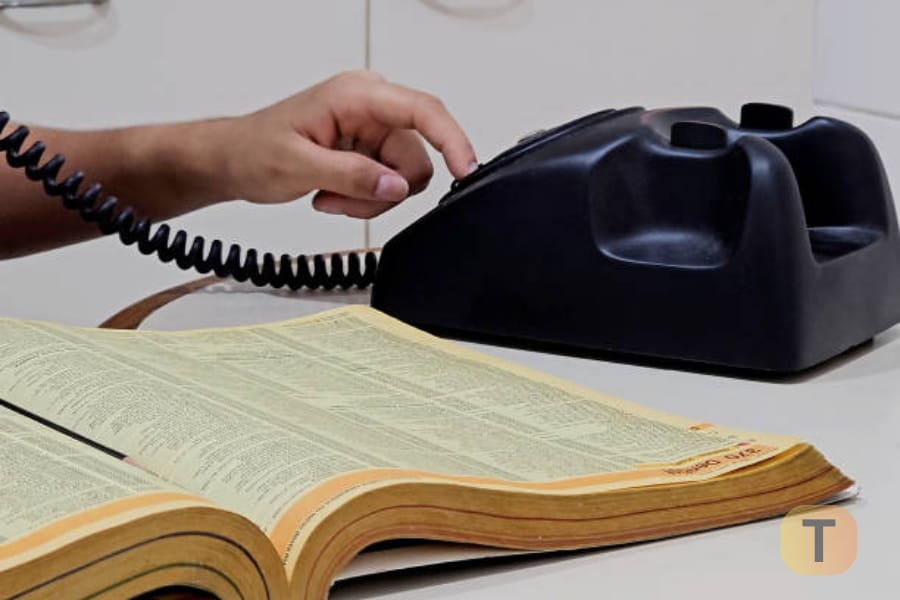
During the mid-1900s, telephone books became essential household tools. Families often kept them near the home phone for quick reference when calling friends, businesses, or local services.
The rise of the internet transformed this system. Today, online directories have replaced most printed telephone books, allowing people to search for information instantly.
How Modern Telephone Book Minnesota Directories Work
Modern telephone book directories work by collecting and organizing publicly available data. These systems pull information from a variety of official sources and compile it into searchable databases.
Common sources include:
- Property ownership records
- Public voter registration lists
- Utility records
- Telephone company listings
- Business registration databases
- Public court documents
- Census data
Because these records are public, directories can legally compile them to create people-search tools.
Many online telephone books allow users to search by:
- Name
- Phone number
- Address
- ZIP code
- City
Results may show current contact information as well as historical data such as previous addresses.
Information You Can Find in a Minnesota Telephone Book
Telephone book directories provide a wide range of information that can help identify or locate individuals.
Basic Contact Information
Most searches provide basic details such as:
- Full name
- Residential address
- City and state
- Landline phone numbers
This information is often available in basic search results.
Reverse Phone Lookup
Some directories allow reverse phone searches, meaning you can enter a phone number and discover who it belongs to. This feature is helpful for identifying unknown callers.
Address Lookup
Address searches allow users to see:
- Current residents
- Previous occupants
- Property ownership information
These details can help verify whether someone lives at a specific location.
Public Record Information
Some telephone book databases also include public record details such as:
- Property ownership history
- Business registrations
- Professional licensing records
However, deeper background checks are typically offered through premium reports.
Why People Use Telephone Book Minnesota Directories
People use telephone book directories for many practical reasons. These tools remain useful even in an age dominated by social media and digital communication.
Reconnecting With Old Friends
Many people search telephone directories to reconnect with individuals they have lost contact with, including:
- Former classmates
- Old coworkers
- Extended family members
- Childhood friends
Even if someone has moved within Minnesota, directories may provide updated address information.
Verifying Contact Details
Telephone books help confirm whether a phone number or address is legitimate. This can be useful when:
- Meeting someone through online marketplaces
- Contacting service providers
- Checking business legitimacy
Researching Property and Neighborhoods
Address searches can reveal useful information about a neighborhood, including:
- Property ownership
- Historical residents
- Nearby households
These details can help people make informed decisions when moving or purchasing property.
Major Cities in Minnesota for Telephone Book Searches
Searches are most common in large population centers. Minnesota has several cities where residents frequently use telephone directories.
Popular cities include:
- Minneapolis
- Saint Paul
- Duluth
- Rochester
- Bloomington
- Plymouth
- Lakeville
- Eden Prairie
- Burnsville
Searching by city helps narrow down results when multiple people share the same name.
Population and Demographics of Minnesota
Understanding the population of Minnesota can also help when searching through telephone directories.
The state has a population of approximately 5.6 million residents, making it one of the most populated states in the Midwest. The largest metropolitan area includes the Twin Cities region, which consists of Minneapolis and Saint Paul.
Key demographic statistics include:
- Median age: around 38 years
- Average household size: about 2.5 people
- Balanced gender distribution
Because many residents live in suburban communities around the Twin Cities, directories often include listings for surrounding cities as well.

Minnesota Economy and Industries
Minnesota has a strong and diverse economy, which contributes to its growing population and housing market.
Major industries in the state include:
- Manufacturing
- Agriculture
- Healthcare and bioscience
- Technology and data centers
- Renewable energy
These industries employ millions of workers across the state and attract new residents every year.
As the population grows, telephone directories continue to expand with new listings.
Real Estate and Property Records in Minnesota
Many telephone book directories also provide access to property information. Public property records can reveal details about homes and land ownership.
Important housing statistics in Minnesota include:
- Median home value: approximately $235,000
- Median rent: around $1,600 per month
- Median listing price: about $284,000
Cities such as Plymouth and Woodbury have some of the highest property values in the state.
Property records can help confirm ownership and learn more about a neighborhood before moving.
Famous People From Minnesota
Minnesota has produced many famous individuals who have had a significant impact on entertainment, politics, and sports.
Notable figures include:
- Prince – legendary musician and performer
- Judy Garland – star of The Wizard of Oz
- Charles M. Schulz – creator of the Peanuts comic strip
- Lindsey Vonn – Olympic alpine skier
- Walter Mondale – former Vice President of the United States
- Jessica Lange – award-winning actress
These individuals have contributed to Minnesota’s reputation as a culturally rich and creative state.
Interesting Facts About Minnesota
Minnesota has a unique cultural identity and many interesting historical facts.
For example:
- The state is known as the “Land of 10,000 Lakes.”
- Mall of America in Bloomington is the largest shopping mall in the United States.
- The canned meat product Spam was created by Hormel Foods in 1937.
- The region was originally inhabited by Native American tribes such as the Dakota Sioux.
- Minnesota became the 32nd state of the United States in 1858.
These cultural and historical elements make Minnesota a fascinating place to live and explore.
Tips for Using Telephone Book Minnesota Directories Effectively
To get the best results from telephone book searches, consider the following strategies.
Use Complete Names
Entering both first and last names improves search accuracy.
Include Location Information
Adding a city or ZIP code can significantly narrow the search.
Check Multiple Spellings
Some names may appear with alternate spellings or abbreviations.
Try Reverse Phone Searches
If you have a phone number but not a name, reverse lookup tools can identify the owner.
Privacy and Legal Considerations
Although telephone book directories rely on public information, it is important to use these tools responsibly.
Users should avoid using directories for:
- Harassment
- Identity theft
- Illegal background checks
- Unauthorized surveillance
Responsible use helps maintain privacy while still benefiting from publicly available information.
Frequently Asked Questions
What is the Telephone Book Minnesota directory?
The telephone book Minnesota directory is a collection of residential and business listings that allows users to find contact information for people living in Minnesota.
Can I search a Minnesota telephone book online?
Yes. Many directories are now available online, allowing users to search by name, phone number, or address.
Are Minnesota telephone book searches free?
Some directories provide basic information for free, while detailed reports may require a paid search.
Can I find someone by phone number?
Yes. Reverse phone lookup tools allow users to identify the owner of a phone number.
Are printed telephone books still available?
Printed directories exist in limited areas, but most searches now occur through online platforms.
Reveal More: Xnxubd Dkexh S4 Mini
Conclusion
The telephone book Minnesota directory remains a valuable tool for finding people, verifying contact information, and researching public records. While printed phone books once served this purpose, modern online directories have expanded the concept by combining public records, address data, and contact information into searchable databases.
Whether you want to reconnect with someone, verify a phone number, or learn more about a neighborhood, these directories provide quick and reliable access to important information. As technology continues to evolve, telephone directories will likely remain an essential resource for locating people and understanding public records throughout Minnesota.
Talk Catalyst: Your Hub for Thought-Provoking Conversations