In the fast-moving world of online content, unusual words often appear without warning. One such term that has caught the attention of readers, writers, and search engines alike is “ểmgency.” At first glance, it looks like a simple spelling mistake. Yet its repeated appearance across blogs, forums, and informational websites suggests there is more happening beneath the surface.
This article takes a deeper, factual, and experience-driven look at what ểmgency represents, why it exists, how it spreads online, and why understanding the difference between real emergencies and perceived urgency matters more than ever.
Is Ểmgency a Real Word?
Let’s establish clarity first.
Ểmgency is not an official English word.
It does not appear in recognized dictionaries, academic references, medical literature, or legal documentation. There is no separate definition that distinguishes it from the correctly spelled word emergency.
However, the absence of dictionary recognition does not mean the term is meaningless. Language on the internet operates differently from traditional language systems. Words gain relevance through usage, repetition, and cultural context rather than formal approval.
In nearly all cases, ểmgency is used to mean “emergency.” The difference lies not in meaning, but in presentation, emotion, and intent.
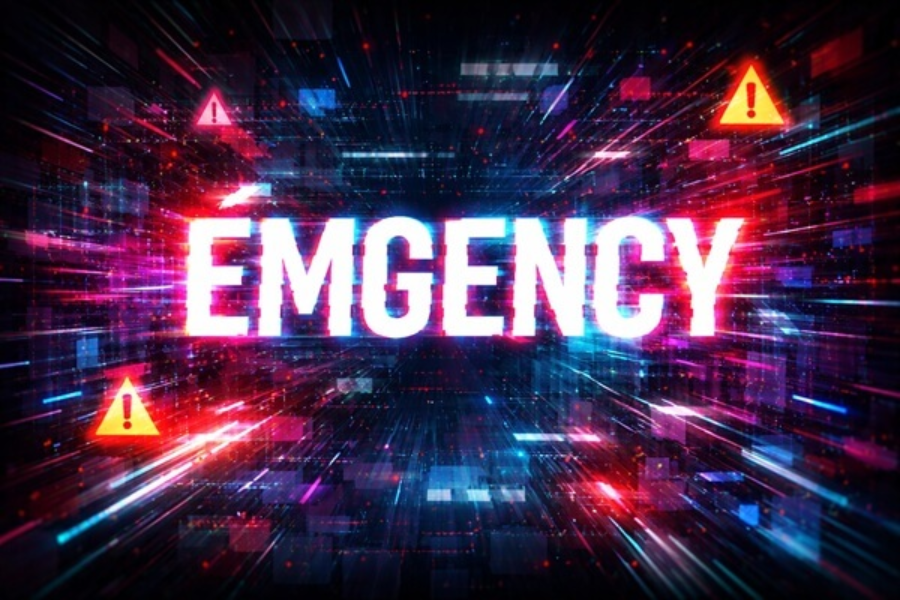
Understanding “Ểmgency” in the Digital Age
The term “ểmgency” highlights an interesting shift in how language adapts within the digital environment. Rather than introducing a new definition, it reflects how people express urgency online—often blending emotion, immediacy, and personal perception into a single word. In blogs, social media posts, and casual discussions, this altered spelling is commonly used to describe moments that feel critical, even when they do not meet the formal criteria of a real emergency.
Despite its growing visibility online, “ểmgency” should never replace the correct and universally recognized term “emergency” in serious contexts. In areas involving public safety, healthcare, legal communication, or official instructions, precise language is essential. Emergency-related information must be instantly recognizable and free from ambiguity, as even minor confusion can delay understanding and response during high-risk situations.
Recognizing the difference between emotional urgency and actual emergencies is crucial for effective communication. Informal expressions may help convey stress or pressure in everyday digital conversations, but they are not suitable for situations where lives, health, or legal responsibilities are at stake.
At the same time, awareness of evolving digital language trends can be useful. Understanding why such terms appear helps content creators, readers, and organizations communicate more responsibly. When combined with proper emergency preparedness—such as clear planning, access to trustworthy information, and well-defined response systems—individuals and institutions can respond confidently to both perceived urgency and real-world crises.
Ultimately, effective communication depends on choosing the right words for the right situation. Balancing modern language habits with accuracy and responsibility ensures clarity, reduces misunderstanding, and supports timely, effective action when it truly matters.
How Did Ểmgency Start Appearing Online?
The rise of this variation is largely driven by modern technology and digital behavior.
1. Keyboard and Autocorrect Influence
Smartphones, multilingual keyboards, and predictive text systems make it easy to accidentally insert accented characters. A long press on a key or a language setting mismatch can quickly change “emergency” into “ểmgency.”
Once published:
- Search engines index it
- Other writers copy it
- Automated tools replicate it
What begins as a typo can quietly evolve into a searchable term.

2. Intentional Styling for Visibility
Some content creators use unusual spellings intentionally. A word that looks “wrong” naturally slows readers down. That pause increases attention, engagement, and curiosity.
In digital publishing, attention is currency. An unexpected spelling often performs better than a correct one—especially in headlines.
Emergency vs. Ểmgency: Understanding the Real Difference
Although they often point to the same situation, emergency and ểmgency carry different tones.
Emergency (Formal Use)
The standard term emergency is used in:
- Medical instructions
- Government alerts
- Legal notices
- Safety protocols
It signals seriousness, authority, and immediate action.
Ểmgency (Informal or Emotional Use)
The variation ểmgency appears mostly in:
- Blog content
- Opinion pieces
- SEO-driven articles
- Informal explanations
It reflects how urgency feels, not how institutions define it.
This distinction matters because clarity can determine outcomes—especially when safety is involved.The Psychology of Perceived Urgency
Humans are biologically wired to respond quickly to threats. When something feels urgent, the brain releases stress hormones that sharpen focus and accelerate reaction time.
This response is beneficial during real emergencies, such as accidents or medical crises. However, in everyday digital life, urgency is often perceived rather than real.
Constant notifications, breaking news alerts, deadlines, and social pressure condition the brain to treat routine situations as emergencies. This state of emotional overload is what terms like ểmgency unintentionally symbolize.
How the Digital Era Contributes to the Emergence of “Ểmgency”
The appearance of “ểmgency” is a byproduct of modern digital communication rather than a deliberate evolution of language. Several interconnected technological and behavioral factors explain why this variation continues to surface online.
1. Multilingual Keyboards and Accent Inputs
Most smartphones and computers today support multiple languages by default. When users press and hold certain letters—especially vowels—accented variations automatically appear. A single unintended tap can replace the standard “e” with an accented version like “ể.”
Because digital writing often happens quickly and informally, these small changes frequently go unnoticed and are published without review. Once online, the altered spelling becomes visible, searchable, and repeatable.
2. Autocorrect and Predictive Text Behavior
Autocorrect systems are designed to predict intent, not guarantee accuracy. When combined with multilingual settings or past typing behavior, these systems may preserve or even reinforce non-standard spellings.
If a user previously typed or copied “ểmgency,” predictive text may continue suggesting it, causing repeated use across messages, articles, or posts—often without conscious intent.
3. Copy-Paste Culture and Hidden Characters
Digital content is frequently copied from:
- PDFs
- Word documents
- Websites
- AI-generated drafts
During copying, invisible formatting and Unicode characters can transfer along with the text. These characters may not appear obvious to the writer but can alter spelling once pasted into a new platform. Over time, these unnoticed changes spread across multiple sites.
4. Speed-First Publishing Mentality
The digital era prioritizes speed over perfection. Blogs, social media posts, and web articles are often published rapidly to stay relevant, capture traffic, or meet content deadlines.
In this environment:
- Minor spelling variations are overlooked
- Editors are removed or minimized
- Accuracy checks are deprioritized
As a result, non-standard spellings like “ểmgency” can circulate widely before being corrected—if they are corrected at all.
5. Algorithmic Visibility and Search Indexing
Search engines index content exactly as it appears. When a misspelled or stylized term begins to appear on multiple pages, it gains search visibility.
This can create a feedback loop:
- Writers see the term ranking
- They assume it has meaning or value
- They reuse it intentionally for SEO
Over time, the spelling feels familiar—even though it lacks formal legitimacy.
6. Visual Distinctiveness in Online Content
In crowded digital spaces, unusual spellings visually stand out. An accented letter draws attention, slows reading, and creates curiosity.
Some writers intentionally retain spellings like “ểmgency” because:
- It appears unique
- It breaks pattern recognition
- It increases click-through or dwell time
This reinforces its presence even when the meaning remains unchanged.
7. Emotional Language in Digital Communication
The digital era encourages expressive, emotion-driven language. People often use exaggerated terms to describe stress, urgency, or pressure—even when no real emergency exists.
“Ểmgency” fits this pattern by visually amplifying urgency, reflecting how a situation feels rather than its objective severity. This emotional framing aligns well with online storytelling, personal blogs, and informal commentary.
Why Constant “Urgency” Is a Problem
When everything feels urgent, nothing truly is.
Chronic perceived urgency can lead to:
- Poor decision-making
- Anxiety and burnout
- Reduced attention span
- Difficulty prioritizing
Emergency professionals are trained to control emotional reactions precisely because panic interferes with effective response. The same principle applies to everyday life.
Why Language Accuracy Matters in Real Emergencies
In high-risk situations, language must be precise.
Emergency instructions are often read under stress, pain, or fear. Any ambiguity—spelling, wording, or tone—can delay action or cause misunderstanding.
For this reason:
- Emergency services use standardized terminology
- Medical documentation avoids creative language
- Safety warnings prioritize clarity over style
Using non-standard spellings like ểmgency in official or instructional content is not just unprofessional—it can be dangerous.
Real Emergencies That Require Clear Communication
To understand why accuracy matters, it helps to recognize what qualifies as a true emergency.
Medical Emergencies
Situations such as heart attacks, strokes, severe injuries, or allergic reactions require immediate medical intervention. Miscommunication can cost lives.
Natural Disasters
Earthquakes, floods, fires, and storms often provide little warning. Clear alerts help people react correctly and quickly.
Public Safety and Infrastructure Failures
Power outages, transportation accidents, and public health crises depend on coordinated response and reliable information.
In all these cases, emotional urgency must be managed—not amplified.
Preparedness Reduces Panic
Preparedness is the most effective way to reduce both real emergencies and emotional overload.
Individual Preparedness
- Knowing emergency numbers
- Basic first-aid knowledge
- Awareness of local risks
- Simple response plans
Organizational Preparedness
- Crisis protocols
- Clear leadership roles
- Regular drills
- Accurate communication systems
Preparation transforms urgency into controlled action.
SEO Perspective: Why Ểmgency Gets Attention
From a search engine perspective, ểmgency attracts curiosity-based searches. People encountering the word often ask:
- Is this a new term?
- Is it a mistake?
- Does it mean something different?
Educational and explanatory content answers these questions, making the term useful for informational SEO, not emergency alerts.
Best practice is to:
- Explain the variation clearly
- Pair it with the correct term
- Prioritize user understanding over gimmicks
Search engines now reward clarity, usefulness, and credibility more than clever tricks.
Is Ểmgency a Mistake or a Choice?
The honest answer is: both.
Some uses are accidental. Others are deliberate stylistic decisions. Language evolves through experimentation, especially online.
That said, not every variation deserves long-term adoption. Words survive when they improve communication—not when they create confusion.
Responsible Use of Non-Standard Language
Creative spelling has a place, but responsibility lies in context.
Acceptable Contexts
- Blog discussions
- Cultural commentary
- Educational explanations
Inappropriate Contexts
- Medical guidance
- Legal notices
- Safety instructions
- Emergency alerts
When clarity is critical, correctness must come first.
Conclusion
The rise of the term “ểmgency” is a clear example of how digital communication reshapes language to match human emotion and online behavior. While it does not introduce a new definition of urgency, it reflects how people often experience pressure, stress, and immediacy in modern life—especially in fast-moving digital spaces where expression matters as much as accuracy.
However, clarity must always come first. In situations involving safety, health, public awareness, or legal responsibility, the correct term “emergency” remains essential. Precision in language ensures that information is understood quickly and acted upon correctly, which can make a real difference during critical moments.
Understanding both concepts allows individuals, writers, and organizations to communicate more effectively. By recognizing when emotional urgency is being expressed and when a real emergency exists, people can respond thoughtfully rather than react impulsively. When this awareness is paired with proper preparedness, reliable information, and responsible communication, it strengthens decision-making and reduces unnecessary panic.
In the end, language should serve its primary purpose: to inform, guide, and protect. Using the right words in the right context helps maintain trust, supports clear action, and ensures that urgency—whether emotional or real—is handled with the seriousness it deserves.
The term ểmgency is less about language and more about modern life. It reflects how urgency, emotion, and speed shape online communication.
It is not a replacement for the word emergency, nor should it be treated as one. Instead, it serves as a reminder that language evolves alongside human behavior—and that clarity remains essential when it matters most.
Understanding this distinction allows writers, readers, and organizations to communicate responsibly, reduce unnecessary stress, and respond effectively when real emergencies occur.
Frequently Asked Questions (FAQ)
1. What does the term “ểmgency” mean?
“Ểmgency” is an informal and non-standard variation of the word “emergency.” It is typically used online to express a strong feeling of urgency or emotional pressure rather than a real, life-threatening situation.
2. Is “ểmgency” a real word in the English language?
No. “Ểmgency” is not recognized in English dictionaries and has no official linguistic status. Its usage is mostly limited to digital platforms, creative writing, or informal content.
3. Why do people use “ểmgency” instead of “emergency”?
People use “ểmgency” either accidentally due to keyboard or autocorrect errors, or intentionally to grab attention, express emotion, or create a conversational tone in online content.
4. Does “ểmgency” mean something different from an emergency?
Not in definition. Both refer to urgency, but an emergency describes an actual dangerous situation, while “ểmgency” usually reflects how urgent or stressful something feels emotionally.
5. Can using “ểmgency” cause confusion?
Yes, especially in serious situations. In contexts involving health, safety, or legal matters, using non-standard spellings can slow understanding and lead to misinterpretation.
6. Is it appropriate to use “ểmgency” in professional writing?
Generally, no. Professional, medical, legal, and safety-related communication should always use the correct term “emergency” to maintain clarity and credibility.
7. Where is it acceptable to use “ểmgency”?
It may be acceptable in informal blogs, opinion pieces, social media posts, or creative writing where the goal is expression rather than instruction or safety communication.
8. How does the digital era contribute to the spread of “ểmgency”?
The digital era encourages fast typing, autocorrect errors, multilingual keyboards, and creative expression. These factors make unusual spellings more visible and easier to spread online.
9. Can emotional urgency affect decision-making?
Yes. Feeling constant urgency—even when there is no real emergency—can lead to stress, rushed decisions, and mental fatigue. Recognizing emotional urgency helps people respond more calmly.
10. Why is understanding the difference between emergency and “ểmgency” important?
Understanding the difference helps people react appropriately. It prevents unnecessary panic, improves communication, and ensures that real emergencies receive the serious attention they require.
Your Next Great Read Starts in the Talk Catalyst