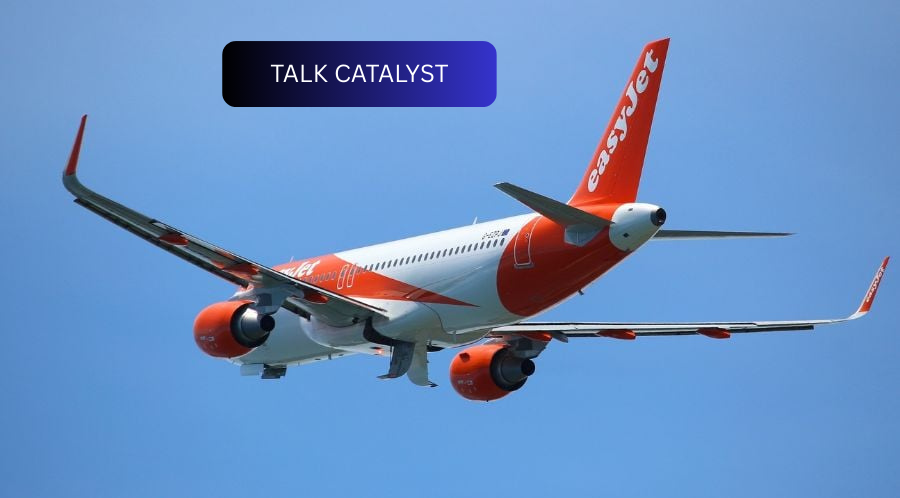
Air travel is widely regarded as one of the safest forms of transportation in the world. Even when unexpected situations occur mid-flight, airlines follow strict safety procedures designed to protect passengers and crew. A recent incident involving easyjet flight u2238 emergency landing newcastle provides a real-world example of how aviation professionals handle emergencies efficiently and calmly.
On October 27, 2025, an EasyJet flight traveling from Copenhagen to Manchester was forced to divert to Newcastle due to a passenger medical emergency. While emergency landings can sound alarming, situations like this are carefully managed through well-defined procedures involving pilots, cabin crew, air traffic control, and airport emergency teams.
This article explores the details behind the easyjet flight u2238 emergency landing newcastle, the safety systems that support such decisions, and what passengers should understand about how airlines manage unexpected in-flight emergencies.
Overview of EasyJet Flight U2238 Emergency Landing Newcastle
The flight involved in the easyjet flight u2238 emergency landing newcastle incident departed Copenhagen Airport (CPH) slightly later than scheduled, leaving around 10:22 PM Central European Time. The aircraft was operating a routine route to Manchester when a serious medical issue occurred onboard.
Shortly after the aircraft reached cruising altitude, a passenger experienced a health emergency that required immediate attention. Cabin crew responded quickly, assessing the situation and providing first aid while alerting the cockpit crew.
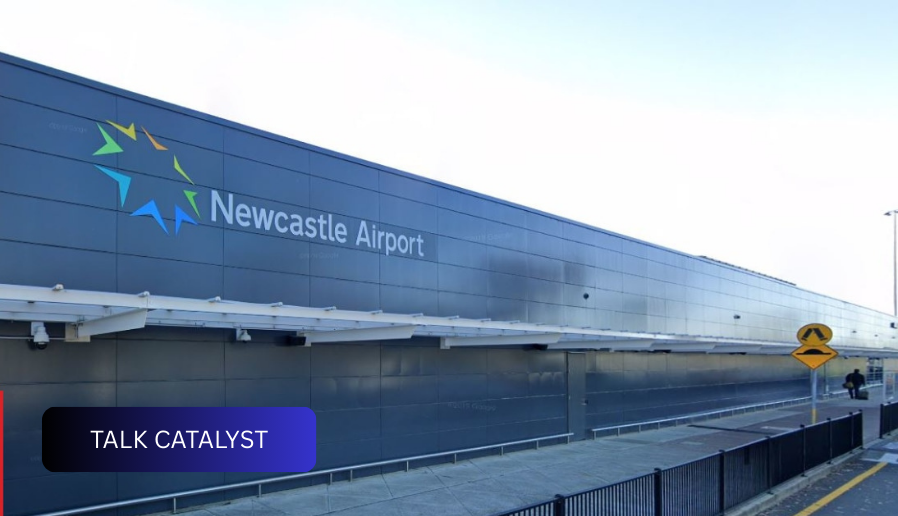
After evaluating the circumstances and consulting with air traffic control, the captain decided to divert the aircraft to Newcastle International Airport. This airport offered the nearest suitable runway and access to emergency medical services.
The plane landed safely shortly before 11 PM local time. Medical teams were already waiting on the ground to assist the passenger, ensuring immediate professional care. Meanwhile, other aircraft in the surrounding airspace were temporarily rerouted to give priority landing clearance to the diverted flight.
The successful outcome of the easyjet flight u2238 emergency landing newcastle demonstrates how multiple aviation teams coordinate quickly to ensure safety during unexpected events.
Why Diversions Like This Matter
Many travelers are unfamiliar with how complex aviation coordination can be during an emergency. A flight diversion is not simply a decision made by the pilots alone. Instead, it involves several layers of communication and operational planning.
During the easyjet flight u2238 emergency landing newcastle, multiple groups worked together simultaneously, including:
- The pilots controlling the aircraft
- Cabin crew providing immediate medical care
- Air traffic controllers managing surrounding airspace
- Airport emergency responders preparing on the ground
- Medical professionals ready to treat the passenger
This system of coordination ensures that emergencies are handled efficiently while minimizing disruption and maintaining safety standards.
The Role of Pilots During In-Flight Emergencies
Pilots carry the ultimate responsibility for everyone onboard the aircraft. In emergency situations, they must balance aircraft control, situational awareness, and rapid decision-making.
When the medical situation occurred during the easyjet flight u2238 emergency landing newcastle, the captain first ensured that the aircraft remained stable and operating normally. Maintaining safe flight conditions is always the top priority.
After receiving information from the cabin crew, the pilots began evaluating their options. Several key factors were considered before deciding to divert the flight.
Factors Pilots Evaluate
Pilots must analyze multiple elements before changing the course of a flight. These factors typically include:
- The severity of the passenger’s medical condition
- Distance to the original destination
- Distance to alternative airports
- Weather conditions at nearby airports
- Fuel levels and consumption
- Runway length and airport facilities
- Availability of emergency medical services
For the easyjet flight u2238 emergency landing newcastle, Newcastle International Airport was determined to be the safest and most efficient diversion point.
Aeronautical Decision-Making (ADM)
Pilots rely heavily on a structured decision-making process known as Aeronautical Decision-Making (ADM). This system helps flight crews analyze risks, evaluate available options, and choose the safest course of action.
In the case of easyjet flight u2238 emergency landing newcastle, ADM played a critical role in determining that diverting the aircraft was the best option for passenger safety.
This structured approach helps pilots avoid rushed decisions and instead rely on training, experience, and available data.
Squawk 7700 and Emergency Signals
When an aircraft encounters a serious situation, pilots may activate a special emergency transponder code known as squawk 7700.
This code alerts air traffic control that the aircraft is experiencing a general emergency. Once activated, several actions immediately occur:
- Air traffic controllers prioritize the aircraft for landing
- Nearby aircraft may be redirected or placed in holding patterns
- Airport emergency services are alerted
- Controllers provide the safest and fastest approach path
During the easyjet flight u2238 emergency landing newcastle, air traffic control coordinated with the flight crew to ensure a clear landing route and rapid response upon arrival.
The Critical Role of Cabin Crew
While pilots manage the aircraft, cabin crew serve as the first responders inside the cabin. Their training covers a wide range of emergency situations, including medical incidents, safety evacuations, and crisis communication.
During the easyjet flight u2238 emergency landing newcastle, cabin crew quickly recognized that a passenger was experiencing a serious medical issue. They immediately began providing assistance using onboard medical supplies.
Cabin crew responsibilities during emergencies include:
- Assessing the passenger’s condition
- Administering first aid
- Providing oxygen if necessary
- Using medical equipment such as AEDs
- Communicating updates to the cockpit
- Keeping other passengers calm
Their quick actions help stabilize the situation until the aircraft can land and medical professionals can take over.
Passenger Medical Emergencies on Flights
Medical incidents are actually one of the most common reasons flights divert from their original route. Although relatively rare overall, airlines prepare extensively for these situations.
Common in-flight medical issues include:
- Heart attacks or chest pain
- Severe allergic reactions
- Fainting or seizures
- Breathing difficulties
- Sudden loss of consciousness
In the easyjet flight u2238 emergency landing newcastle, the passenger’s condition required immediate attention, prompting the decision to divert.
Airlines equip aircraft with specialized medical equipment specifically designed to manage these types of situations.
Onboard Medical Equipment
Modern commercial aircraft carry a variety of medical tools to assist passengers during emergencies.
Typical onboard equipment includes:
- First-aid kits
- Oxygen bottles
- Automated External Defibrillators (AEDs)
- Emergency medical kits for professional use
- Basic medications
During the easyjet flight u2238 emergency landing newcastle, cabin crew used onboard medical equipment to assist the passenger until the aircraft landed.
These tools allow cabin crew to stabilize a passenger’s condition during flight, which can be crucial in life-threatening situations.
Communication Between Cabin Crew and Pilots
Clear communication is essential during any emergency. Cabin crew must provide accurate updates to the cockpit so pilots can properly evaluate the situation.
Throughout the easyjet flight u2238 emergency landing newcastle, cabin crew kept the flight deck informed about the passenger’s condition and any changes in their health.
This communication allowed the captain to make informed decisions about diverting the flight and coordinating with air traffic control.
Air Traffic Control Coordination
Air traffic controllers play a vital role when aircraft experience emergencies.
Once notified of the situation during the easyjet flight u2238 emergency landing newcastle, controllers immediately began managing surrounding airspace to provide a clear path for the aircraft.
Their responsibilities included:
- Clearing nearby air traffic
- Providing priority landing clearance
- Coordinating with airport emergency services
- Guiding the aircraft safely to the runway
This coordination ensures that emergency flights receive immediate assistance.
Passenger Safety and Comfort During Emergencies
While pilots and cabin crew focus on the emergency itself, maintaining passenger calm is also extremely important.
Cabin crew manage this by:
- Providing clear announcements
- Offering reassurance to passengers
- Ensuring seatbelts are fastened
- Preparing the cabin for landing
During the easyjet flight u2238 emergency landing newcastle, crew members kept passengers informed and reassured, helping prevent panic while the aircraft diverted to Newcastle.
Their professionalism ensured the flight remained orderly and calm throughout the incident.
Landing Procedures During an Emergency Diversion
Emergency landings follow strict aviation procedures designed to ensure safety.
Pilots must carefully plan their descent while coordinating with air traffic control and preparing the aircraft for landing.
During the easyjet flight u2238 emergency landing newcastle, the aircraft approached Newcastle International Airport smoothly and landed without complications.
Emergency services were positioned near the runway and immediately assisted the passenger once the aircraft arrived at the gate.
Post-Landing Operations
Once an emergency landing occurs, the focus shifts to medical care and passenger support.
After the easyjet flight u2238 emergency landing newcastle, emergency medical teams boarded the aircraft to evaluate and treat the affected passenger.
Meanwhile, airline staff worked to assist other passengers with their travel plans, which may include:
- Rebooking flights
- Providing accommodations
- Offering updates on travel schedules
Aircraft maintenance teams also inspect the aircraft before it continues service.
Training and Preparedness in Aviation
The successful handling of the easyjet flight u2238 emergency landing newcastle highlights the importance of aviation training.
Both pilots and cabin crew undergo rigorous and ongoing training programs.
Pilot training includes simulations for:
- Medical diversions
- Engine failures
- Severe weather
- Aircraft system malfunctions
Cabin crew training covers:
- First aid and CPR
- Emergency evacuations
- Passenger communication
- Fire suppression
- Crisis management
These exercises prepare airline staff to respond quickly and effectively during real emergencies.
Crew Resource Management (CRM)
Another key factor in aviation safety is Crew Resource Management (CRM).
CRM focuses on teamwork, communication, and decision-making among flight crews.
During the easyjet flight u2238 emergency landing newcastle, CRM principles allowed pilots and cabin crew to coordinate effectively.
Each team member handled specific responsibilities:
- Pilots managed flight operations and ATC communication
- Cabin crew provided medical assistance and passenger support
This teamwork helped ensure a safe outcome for everyone onboard.
Lessons From EasyJet Flight U2238
Incidents like the easyjet flight u2238 emergency landing newcastle provide valuable lessons for the aviation industry.
They demonstrate the importance of:
- Rapid decision-making
- Effective communication
- Continuous crew training
- Advanced safety protocols
The aviation industry constantly reviews such events to refine procedures and strengthen safety standards.
Tips for Passengers During In-Flight Emergencies
Passengers can also contribute to safety during emergencies by following crew instructions.
Helpful tips include:
- Remain calm and avoid panic
- Listen carefully to cabin crew announcements
- Fasten seatbelts when instructed
- Report medical issues immediately
- Avoid obstructing crew members during emergencies
Understanding these simple steps can help ensure smoother emergency responses.
Frequently Asked Questions
Why did easyjet flight u2238 emergency landing newcastle?
The flight diverted due to a passenger medical emergency. Newcastle Airport offered the nearest suitable location with access to medical services.
Are emergency diversions dangerous?
No. Diversions are precautionary measures designed to ensure passenger safety and provide medical or technical assistance.
What does squawk 7700 mean?
Squawk 7700 is a transponder code that signals a general emergency to air traffic control, giving the aircraft priority handling.
How often do flights divert due to medical emergencies?
Medical diversions are relatively uncommon but occur occasionally on long flights due to unexpected health issues.
Also Read More: Riverbank Collapse Iford Playing Fields
Conclusion
The easyjet flight u2238 emergency landing newcastle incident highlights the professionalism and preparedness of modern aviation crews. When a passenger medical emergency occurred, pilots, cabin crew, air traffic controllers, and airport responders worked together to manage the situation safely.
From rapid decision-making in the cockpit to immediate medical assistance in the cabin, every step followed well-established safety procedures designed to protect passengers.
Events like this remind travelers that while emergencies are rare, airlines are fully prepared to handle them. Through rigorous training, advanced technology, and strong teamwork, the aviation industry continues to maintain some of the highest safety standards in transportation.