Introduction
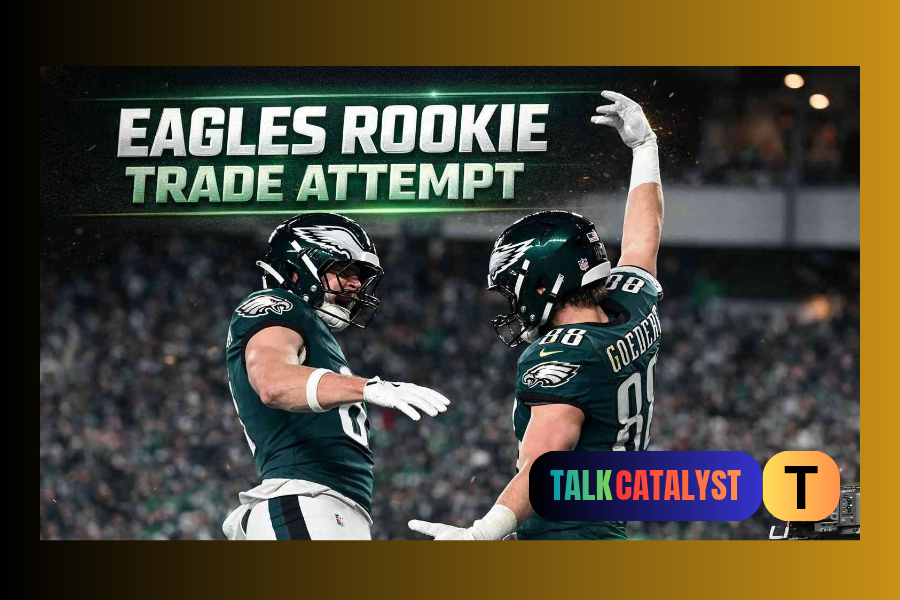
Every NFL offseason brings speculation, analysis, and bold decision-making, but few teams generate as much discussion around draft strategy as the Philadelphia Eagles. One phrase that has increasingly appeared in conversations among analysts and fans is “eagles rookie trade attempt.”
This phrase represents more than a single event during a draft. Instead, it reflects the Eagles’ broader philosophy of roster building—one that blends aggressive decision-making with careful long-term planning. The organization often explores trades involving draft picks or rookie value to strengthen the roster while maintaining financial and strategic flexibility.
The 2025 draft cycle highlighted this approach clearly when the Eagles explored multiple options to move higher in the first round in pursuit of linebacker Jihaad Campbell. Although larger deals were considered, the team ultimately completed a smaller trade that allowed them to secure their target without sacrificing significant future assets.
Understanding the eagles rookie trade attempt concept requires examining how the team prepares for the draft, how rookie contracts influence trade negotiations, and how Philadelphia balances immediate competitiveness with long-term roster development.
The Meaning Behind “Eagles Rookie Trade Attempt”
The term eagles rookie trade attempt refers to situations in which the Eagles consider or pursue trades involving draft picks, rookie prospects, or players still on early-career contracts.
In the modern NFL, rookie contracts carry tremendous value. Teams receive several years of affordable talent under league-regulated salary structures. Because of this, draft picks and rookie players become some of the most valuable assets in negotiations.
For Philadelphia, exploring trades connected to rookie value is part of a strategic process that helps the organization:
- Improve draft positioning
- Acquire veteran talent
- Accumulate additional draft capital
- Manage long-term salary cap flexibility
While not every trade discussion results in a finalized deal, the willingness to explore these options is a defining trait of the Eagles’ front-office philosophy.
Draft Preparation: Building the Foundation for Strategic Moves
Long before the NFL Draft begins, teams invest months evaluating prospects and planning different scenarios. The Eagles are known for conducting particularly detailed preparation.
Scouts travel across college football programs to evaluate player performance, athletic ability, and leadership traits. Coaches review film to determine which prospects best fit the team’s offensive and defensive schemes. Meanwhile, the front office analyzes salary cap implications and future roster needs.
From these evaluations, the organization develops a draft board, ranking prospects based on talent, positional value, and system compatibility.
Because the Eagles often hold picks near the end of the first round, they frequently prepare contingency plans for trading up or down the draft board. This preparation allows the team to react quickly if a desired player becomes available.
In many ways, the eagles rookie trade attempt narrative begins during this planning stage, where trade scenarios are mapped out long before draft night.

Why the Eagles Targeted Jihaad Campbell
One of the most discussed examples connected to the eagles rookie trade attempt occurred during the 2025 NFL Draft, when Philadelphia targeted linebacker Jihaad Campbell.
Campbell stood out among defensive prospects due to his combination of speed, physicality, and versatility. In modern defensive systems, linebackers must be able to defend against both running plays and passing attacks. Campbell demonstrated strong abilities in both areas during his college career.
The Eagles’ coaching staff viewed him as a player capable of strengthening the defense immediately while also developing into a long-term contributor.
Several qualities made Campbell particularly appealing:
- Strong tackling ability
- Quick decision-making on the field
- Excellent coverage skills
- High football intelligence
- Positional versatility
Because other teams were also interested in Campbell, the Eagles began exploring ways to move up in the first round to secure him.
Draft Night Strategy: Trading as a Competitive Tool
The Eagles have built a reputation for being one of the NFL’s most active teams during draft night.
Rather than simply selecting players at their assigned positions, the organization frequently trades picks to maximize value. In some drafts, Philadelphia has completed multiple trades within a single weekend, constantly adjusting its strategy as the board changes.
This approach reflects a belief that draft position is flexible, not fixed. If a player the team values highly becomes available earlier than expected, trading up may be worthwhile. Conversely, if the draft board presents unexpected opportunities, trading down can help accumulate additional picks.
During the 2025 draft, the Eagles considered several larger trades to move higher in the first round. However, these deals required giving up significant future draft capital.
Ultimately, the team decided that the cost of those moves outweighed the potential benefit.
Patience Pays Off: The Final Trade Decision
Instead of forcing a costly trade, the Eagles chose patience.
As the first round progressed, Campbell remained available longer than expected. This unexpected development created an opportunity for Philadelphia to act strategically without sacrificing major assets.
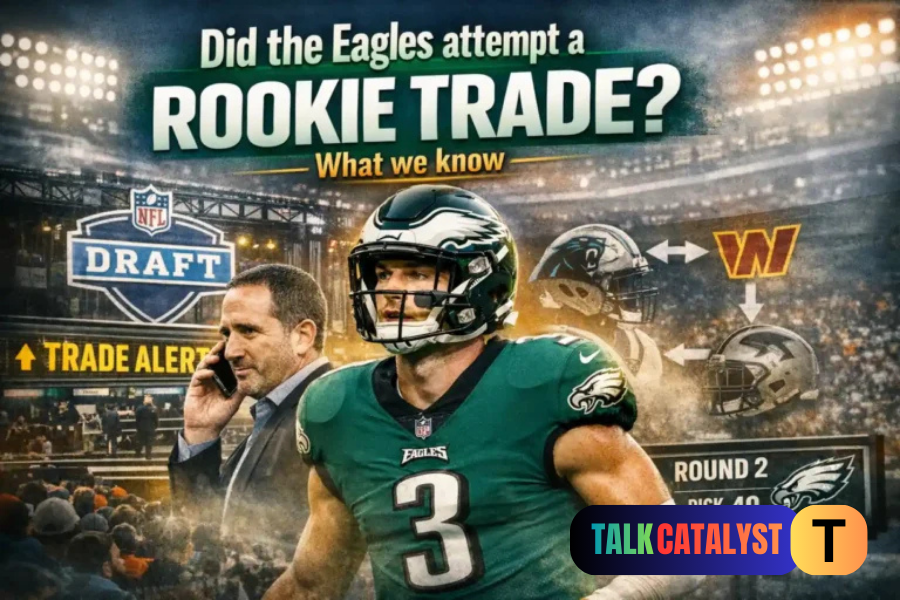
Late in the first round, the Eagles completed a smaller trade that moved them from pick No. 32 to pick No. 31. This minor adjustment ensured that no other team could select Campbell before them.
After completing the trade, Philadelphia used the pick to draft Jihaad Campbell.
This moment became one of the clearest examples of the eagles rookie trade attempt concept: careful preparation, strategic patience, and decisive action at the right moment.
Rookie Contracts as Trade Currency
The broader importance of rookie trades in the NFL lies in the value of rookie contracts.
Unlike veteran players, rookies enter the league with predetermined salary structures based on their draft position. These contracts typically provide teams with four years of cost-controlled talent, sometimes with an optional fifth year for first-round selections.
Because of this financial structure, rookie players represent some of the best value in professional sports.
Teams frequently trade draft picks tied to rookie contracts for several reasons:
- To acquire experienced veterans
- To reposition themselves within the draft
- To create future salary cap flexibility
- To accumulate multiple developmental prospects
The Eagles’ willingness to explore these options is a key reason why discussions about rookie trade attempts often surround the team.
Trade Discussions Involving Young Players
While most Eagles trade activity involves draft picks, young players can also become part of trade discussions.
For example, players like Jakorian Bennett and Tank Bigsby have appeared in speculation surrounding roster adjustments across the league.
These types of discussions illustrate how early-career players may carry similar value to draft picks because they remain under relatively affordable contracts and still possess developmental potential.
Although such trades are less common than draft pick exchanges, they demonstrate the flexible nature of roster construction in the NFL.
When Trade Buzz Doesn’t Become Reality: Kelee Ringo
Not every rumored trade attempt becomes a completed deal.
Cornerback Kelee Ringo became a subject of trade speculation at one point, highlighting how rumors can circulate even when a team ultimately decides to retain its young talent.
In many cases, teams explore possible trades simply to evaluate the market value of their players. If the offers do not align with organizational priorities, the team may choose to keep the player.
These situations show that exploration is a normal part of NFL management, even when no transaction occurs.
How Trade Strategy Shapes the Eagles’ Roster
Trades involving draft picks and rookie prospects can significantly affect a team’s roster structure.
When a team trades draft capital for veterans, it may improve its immediate competitiveness but reduce the number of rookies entering the roster pipeline. Conversely, accumulating extra draft picks increases opportunities to develop young talent.
Philadelphia’s front office aims to maintain a balance between these approaches.
By carefully evaluating trade opportunities, the Eagles attempt to:
- Strengthen the current roster
- Preserve future flexibility
- Maintain a steady pipeline of young players
This balance is essential for sustaining success in the NFL’s competitive environment.
Media Coverage and Public Perception
Because the Eagles frequently explore trade options, sports media outlets often include the team in discussions about potential draft deals.
Analysts highlight the organization’s willingness to move around the draft board and its proactive approach to roster construction. As a result, the phrase eagles rookie trade attempt has become part of the broader conversation surrounding the team’s strategy.
Even when trades do not occur, speculation and analysis can generate significant public interest.
Fan Engagement and Debate
Philadelphia fans are among the most passionate in professional sports. During draft season, discussions about trades and rookie prospects dominate online forums, sports talk shows, and social media platforms.
Fans frequently debate questions such as:
- Should the Eagles trade up for elite prospects?
- Is it better to keep draft picks or acquire veteran players?
- How will trades affect rookie development?
These debates contribute to the ongoing interest in Eagles draft strategy and reinforce the prominence of the eagles rookie trade attempt narrative.
Long-Term Impact on the Franchise
The Eagles’ approach to trading reflects a long-term commitment to strategic roster management.
By exploring trade opportunities involving rookie value, the organization can adapt to changing circumstances while maintaining a competitive roster.
Successful trades can accelerate a team’s progress, while careful decision-making prevents the loss of valuable draft assets.
In the case of the Jihaad Campbell selection, patience and preparation allowed the Eagles to secure their target without compromising future flexibility.
Also Read More: Bestshoesevershop Competitor Match
Conclusion
The phrase eagles rookie trade attempt represents more than a single moment in the NFL Draft. It reflects the broader philosophy of the Philadelphia Eagles — a philosophy built on preparation, adaptability, and strategic decision-making.
From months of scouting preparation to real-time draft night negotiations, every step of the process contributes to the team’s ability to build a competitive roster.
Whether through trading up for impact players, accumulating draft capital, or exploring deals involving young talent, the Eagles continue to demonstrate a willingness to adapt in pursuit of success.
As the NFL evolves and roster construction becomes increasingly complex, Philadelphia’s proactive approach ensures that discussions about eagles rookie trade attempts will likely remain part of the league’s conversation for years to come.
Inspiration Starts at Talk Catalyst