

Food safety is one of the most important responsibilities in the modern food industry. Companies involved in poultry processing and food production must ensure that every product they deliver to consumers meets strict hygiene and quality standards. To maintain these standards, businesses rely heavily on dedicated quality control teams.
One question frequently searched online is “sovereign foods quality control job matric pass fail requirements.” Many job seekers want to know whether a matric certificate is enough to apply for this role, what skills are required, and how they can start a career in quality control within the food industry.
This detailed guide explains everything you need to know about quality control jobs at Sovereign Foods, including educational requirements, job responsibilities, required skills, career growth opportunities, and practical tips for getting hired even with basic education.
Whether you are a recent matric graduate or someone looking to enter the food production sector, this article will help you understand how quality control jobs work and how you can build a successful career in this field.
Understanding Sovereign Foods and the Food Processing Industry
Sovereign Foods operates in the poultry production and food processing sector, which requires strict safety standards and regulatory compliance. In food manufacturing, companies must follow guidelines designed to protect public health and ensure that food products remain safe for consumption.
In this environment, quality control departments serve as the backbone of production safety. Their primary goal is to monitor every stage of food production and prevent any contamination, defects, or safety risks.
Quality control teams are responsible for several important tasks, including:
- Inspecting incoming raw materials
- Monitoring production lines and hygiene standards
- Testing product samples during processing
- Checking packaging quality and labeling accuracy
- Ensuring storage conditions maintain food safety
Without an effective quality control system, food companies risk product recalls, consumer health issues, and damage to their reputation.
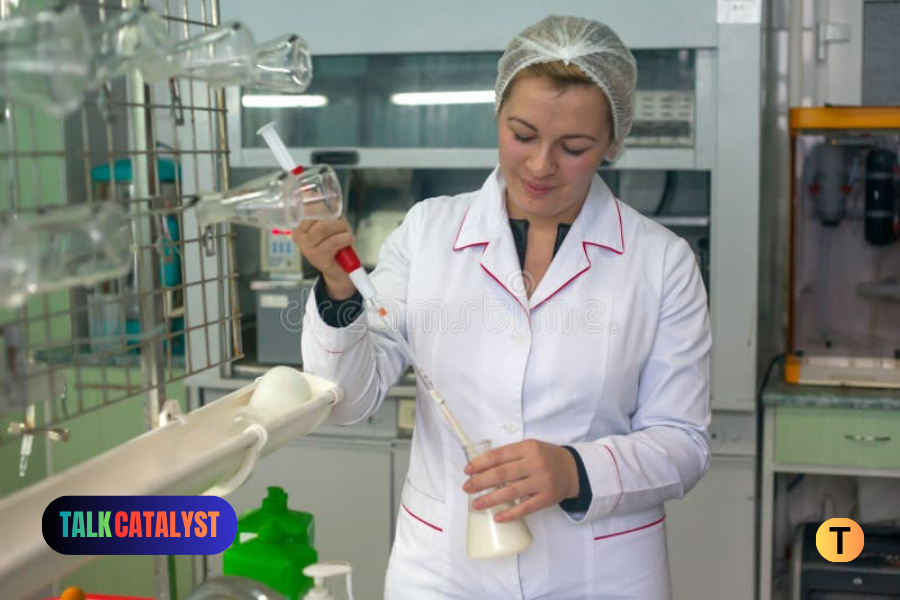
What Is a Quality Control Job in Food Production?
A quality control job focuses on maintaining consistent standards throughout the entire food production process. Workers in this role inspect ingredients, observe manufacturing procedures, and evaluate finished products before they reach consumers.
Quality control employees act as inspectors and problem-solvers. Their work helps identify potential issues early so that the company can correct them before products are distributed.
Typical tasks performed by QC workers include:
- Checking the quality of raw ingredients before production begins
- Monitoring food processing temperatures and hygiene conditions
- Inspecting equipment and production areas for cleanliness
- Testing samples from production batches
- Documenting inspection results and quality reports
Even entry-level quality control workers play an important role in protecting consumers and ensuring that products meet company standards.
Sovereign Foods Quality Control Job: Matric Pass or Fail Requirements
Many people searching for employment in the food industry ask whether they must pass matric to apply for a quality control position.
The answer depends on the level of the job and the hiring policies of the company. However, in most cases, a matric pass certificate is considered the minimum requirement for entry-level quality control positions.
Minimum Education Requirement
For entry-level QC roles, companies generally expect applicants to have:
- A matric or secondary school certificate
- Basic understanding of reading and writing
- Ability to follow written instructions and record data
Candidates who studied science subjects such as biology, chemistry, or mathematics during matric may have an advantage because these subjects relate closely to food safety and quality management.
Can Matric Fail Candidates Apply?
Candidates who did not complete matric may still find opportunities in the food processing sector. However, they may need to begin with entry-level roles such as:
- Production worker
- Packaging assistant
- Sanitation or cleaning staff
- Food handling assistant
These positions allow workers to gain experience in food production. After gaining practical experience and completing additional training, some workers may later move into quality control positions.

Additional Qualifications That Improve Hiring Chances
Although matric may be the basic requirement, additional education and training can significantly increase your chances of getting hired.
Intermediate Education
Candidates who have completed intermediate studies (FA or FSc) are often preferred for quality control roles. Science students in particular may have an advantage because they already understand basic laboratory and food safety concepts.
Diploma in Food Technology
A diploma in food technology or food safety provides valuable industry knowledge, including:
- Food preservation methods
- Hygiene and sanitation standards
- Quality testing procedures
- Microbiology related to food safety
Employers often value candidates who possess technical training in these areas.
Bachelor’s Degree in Food Science
For higher-level roles such as QC supervisors or laboratory analysts, companies often require a bachelor’s degree in fields such as:
- Food Science
- Microbiology
- Biotechnology
- Chemistry
These qualifications prepare candidates to work with advanced testing equipment and quality management systems.
Key Responsibilities of a Quality Control Worker
Quality control employees must ensure that food production meets strict safety and quality guidelines. Their daily duties involve inspecting materials, monitoring processes, and documenting results.
Monitoring Production Processes
One of the most important tasks of QC workers is monitoring production lines. They observe manufacturing activities to ensure that workers follow hygiene protocols and that machines operate within safe parameters.
Inspecting Raw Materials
Before food production begins, ingredients must be inspected carefully. QC staff check for freshness, contamination, and compliance with supplier standards.
Testing Food Samples
During production, samples are taken from different batches and tested for quality factors such as taste, texture, color, and consistency.

Maintaining Records and Documentation
Accurate record keeping is a crucial part of quality control work. QC workers document inspection results, testing procedures, and any problems discovered during production.
Reporting Quality Issues
If a defect or contamination risk is detected, QC workers must immediately report it to supervisors or management. Quick action helps prevent unsafe products from reaching consumers.
Essential Skills Required for Quality Control Jobs
Education alone is not enough to succeed in a quality control role. Employers also look for candidates who possess practical skills and strong work habits.
Attention to Detail
Quality control workers must carefully inspect products and processes. Even small mistakes can lead to major safety issues.
Basic Scientific Understanding
Knowledge of hygiene, contamination risks, and food safety principles is important for identifying potential problems.
Communication Skills
QC workers frequently interact with production staff, supervisors, and managers. Clear communication helps ensure that issues are addressed quickly.
Organizational Skills
Maintaining detailed inspection records and reports requires strong organizational abilities.
Problem-Solving Ability
When quality issues occur, workers must identify the root cause and help implement corrective actions.
Work Environment in Quality Control Jobs
Quality control work is usually performed inside food processing plants and manufacturing facilities. The work environment can vary depending on the stage of production.
Employees may work in areas such as:
- Raw material receiving sections
- Processing rooms
- Refrigerated storage areas
- Packaging and labeling departments
- Quality testing laboratories
Because food safety is critical, workers must follow strict hygiene practices. Protective equipment is commonly required, including:
- Gloves
- Hairnets
- Face masks
- Protective coats or uniforms
These precautions ensure that products remain hygienic and safe for consumers.

Salary Expectations for Quality Control Jobs
Salaries in quality control positions vary depending on several factors, including education, experience, and job responsibilities.
Typical career levels may include:
Entry-Level QC Assistant
This is often the starting position for individuals with matric education. Salaries are generally modest but provide valuable industry experience.
QC Technician
After gaining experience and additional training, workers may move into technician roles with higher pay and more technical responsibilities.
QC Supervisor or Manager
Senior professionals who oversee quality control teams earn significantly higher salaries and manage larger operations.
Workers who continue their education in food science or quality management often enjoy faster career growth and higher income potential.
Career Growth Opportunities in Food Quality Control
A quality control job can serve as the foundation for a long-term career in the food industry. With experience and training, employees can progress to more advanced positions.
Some possible career paths include:
Quality Control Technician
Technicians perform more advanced testing and analysis of food samples.
Quality Assurance Specialist
These professionals focus on improving production systems and preventing quality problems before they occur.
Production Supervisor
Experienced workers may move into management roles overseeing production teams.
Food Safety Auditor
Auditors inspect food factories and ensure compliance with government regulations and industry standards.
Tips for Getting a Quality Control Job with Matric Education
Even with basic education, job seekers can increase their chances of getting hired by preparing strategically.
Gain Industry Experience
Working in food processing or packaging roles provides valuable experience and helps workers understand production systems.
Complete Short Training Courses
Many institutions offer short courses in food safety, hygiene practices, and quality management.
Learn Basic Computer Skills
Modern quality control systems often use digital software for inspection reports and documentation.
Focus on Hygiene Awareness
Employers prefer workers who understand the importance of sanitation and safe food handling.
Why Quality Control Jobs Are Important
Quality control professionals play a crucial role in protecting both consumers and businesses. Their work ensures that food products meet safety standards and remain consistent in quality.
Without effective quality control systems, companies risk producing contaminated food or defective products that could harm consumers.
QC workers help ensure that:
- Food products remain safe to eat
- Production processes meet government regulations
- Product quality stays consistent
- Companies maintain consumer trust and reputation
Because of these responsibilities, quality control jobs are essential to the entire food industry.
Challenges of Working in Quality Control
Although quality control jobs offer valuable career opportunities, they also come with several challenges.
High Level of Responsibility
QC workers must remain vigilant because mistakes can lead to serious food safety risks.
Strict Hygiene Rules
Employees must follow detailed sanitation procedures throughout their workday.
Fast-Paced Work Environment
Food production lines operate quickly, requiring constant monitoring and attention.
Despite these challenges, many workers find the role rewarding because they contribute directly to protecting public health.
The Future of Quality Control in the Food Industry
The global food industry continues to grow, and food safety regulations are becoming stricter. Governments and regulatory agencies are implementing stronger guidelines to protect consumers.
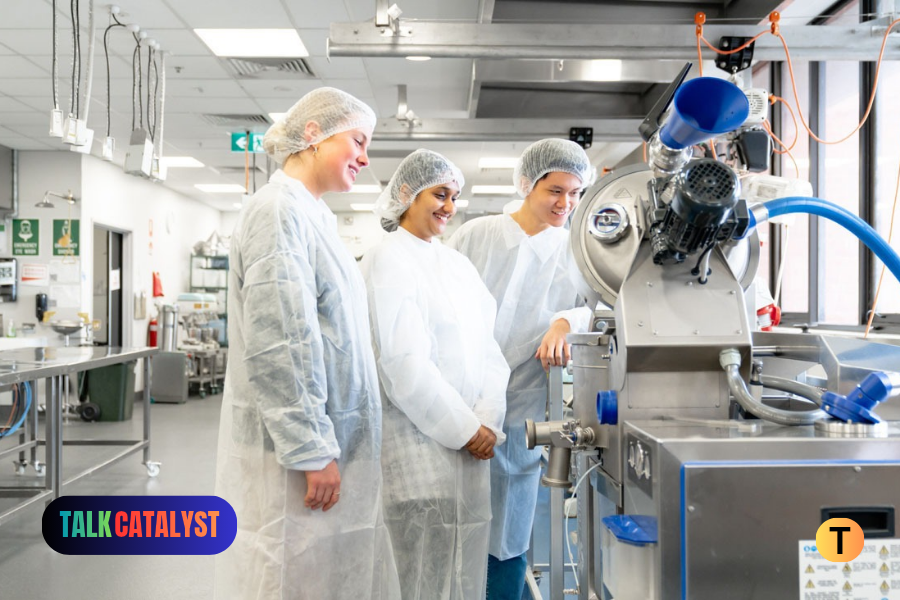
As a result, companies are investing more in quality control systems and hiring trained professionals.
Future trends in the industry include:
- Increased use of automated inspection technology
- Advanced laboratory testing methods
- Stronger food safety regulations
- Greater demand for trained quality control specialists
These developments create promising opportunities for individuals interested in careers in food safety and quality management.
Also Read More: FitooFitness.in Classes
Conclusion
The search query “sovereign foods quality control job matric pass fail requirements” reflects the growing interest among job seekers who want to work in the food production industry.
In most cases, a matric pass certificate is the minimum qualification required for entry-level quality control roles. This is because the job involves reading instructions, recording inspection results, and following technical procedures related to food safety.
Candidates who have not completed matric may still begin their careers in entry-level production roles and gain valuable experience within the industry.
However, education alone does not guarantee success. Employers also look for individuals who demonstrate strong attention to detail, responsibility, hygiene awareness, and a willingness to learn.
By gaining practical experience, completing relevant training courses, and improving technical knowledge, workers can gradually build successful careers in food quality control and food safety management.
For individuals interested in stable employment and long-term growth in the food sector, a quality control job can be an excellent starting point and a pathway to professional advancement.
Discover Thoughtful Content and New Ideas on Talk Catalyst!
