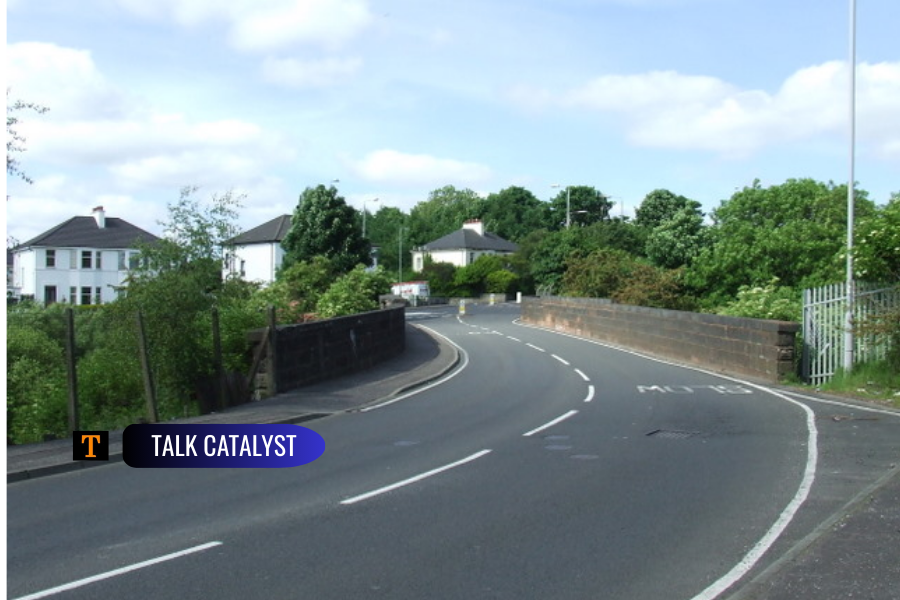
Arkleston Road is one of the most important connecting routes in Renfrewshire. Linking Paisley, Renfrew, Glasgow Airport, and nearby residential communities, the road carries thousands of vehicles daily, including commuters, public transport, delivery services, and emergency responders. When disruption occurs on this route, the impact spreads quickly across the local road network.
In recent years, the phrase “Arkleston Road Renfrew emergency fault” has become familiar to many residents. From underground cable failures to bridge damage and severe flooding, multiple infrastructure issues have caused repeated closures and long-term traffic restrictions. These incidents have not only delayed journeys but also raised important questions about road safety, infrastructure resilience, and future repair planning.
This in-depth guide explains what happened, why the disruptions occurred, how authorities responded, and what drivers should expect moving forward.
Why Arkleston Road Is So Important
Before understanding the scale of the disruption, it’s important to recognize why this route matters.
Arkleston Road:
- Connects Paisley and Renfrew directly
- Provides access to Glasgow Airport
- Links to the M8 motorway at Junction 27
- Serves local residential areas and Arkleston Cemetery
- Supports businesses, gyms, and commercial premises nearby
Because of this strategic positioning, even a single-lane restriction can cause congestion beyond the immediate area. Morning and evening rush hours are particularly sensitive to disruption.
What Does “Arkleston Road Renfrew Emergency Fault” Mean?
An emergency fault refers to an unexpected infrastructure failure that requires urgent repair to protect public safety. These faults typically involve:
- Structural damage
- Utility infrastructure breakdown
- Severe weather-related road deterioration
- Accidental impact damage
In the case of Arkleston Road, the emergency faults were not caused by a single issue. Instead, a series of unrelated but overlapping incidents created prolonged disruption.
The High-Voltage Cable Failure
One of the most significant incidents involved an underground high-voltage cable discovered to be damaged near the M8 bridge section of Arkleston Road.
What Happened?
Scottish Power engineers identified a serious fault within underground electrical infrastructure. Because the cables carried high voltage, the risk of electrical hazard was substantial. Immediate intervention was required to prevent power outages, fire risk, or danger to the public.
The Repair Work
- Approximately 300 metres of cable required replacement
- A full road closure was implemented for safety
- The closure lasted around 10 days
- Emergency services access was maintained
- Cemetery access arrangements were carefully managed
High-voltage cable replacement is complex. Engineers must excavate safely, isolate the power supply, remove damaged components, and install new cable systems that meet strict safety standards.
Although the repair was completed within days, the incident highlighted how vulnerable underground infrastructure can be when aging systems or environmental stress factors are involved.
The Bridge Strike Over the M8
While the cable repair was significant, another incident had even longer-lasting consequences.
A heavy goods vehicle struck the bridge spanning the M8 motorway at Junction 27. Bridge strikes are more common than many people realize and can cause hidden structural damage that requires detailed engineering inspection.
Immediate Response
- The road was closed immediately for safety checks
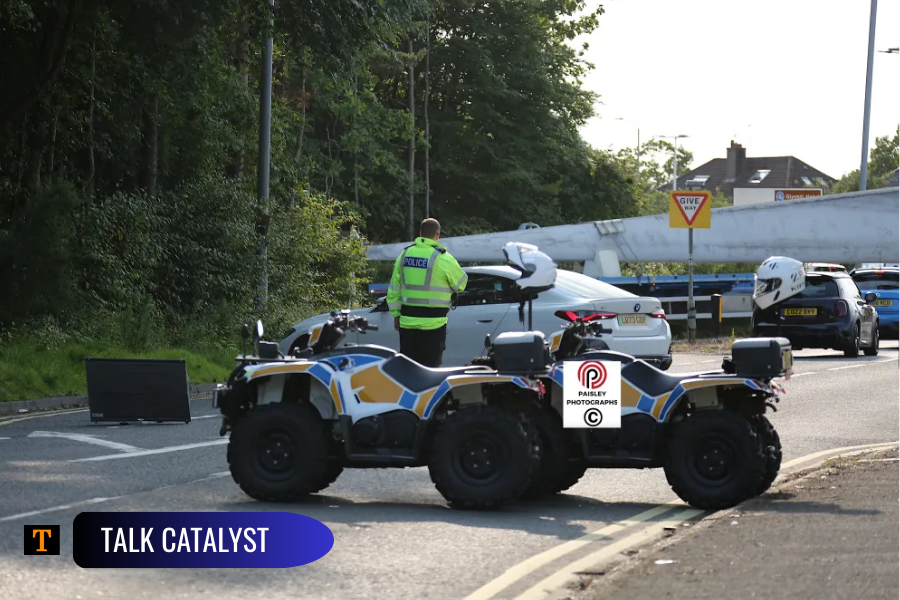
- Police managed traffic diversions
- Debris was cleared from the motorway
- Structural engineers assessed the integrity of the bridge
Even minor structural shifts can compromise long-term safety. Authorities cannot reopen a bridge until it is deemed secure.
Ongoing Restrictions
Although the road partially reopened, it has operated under:
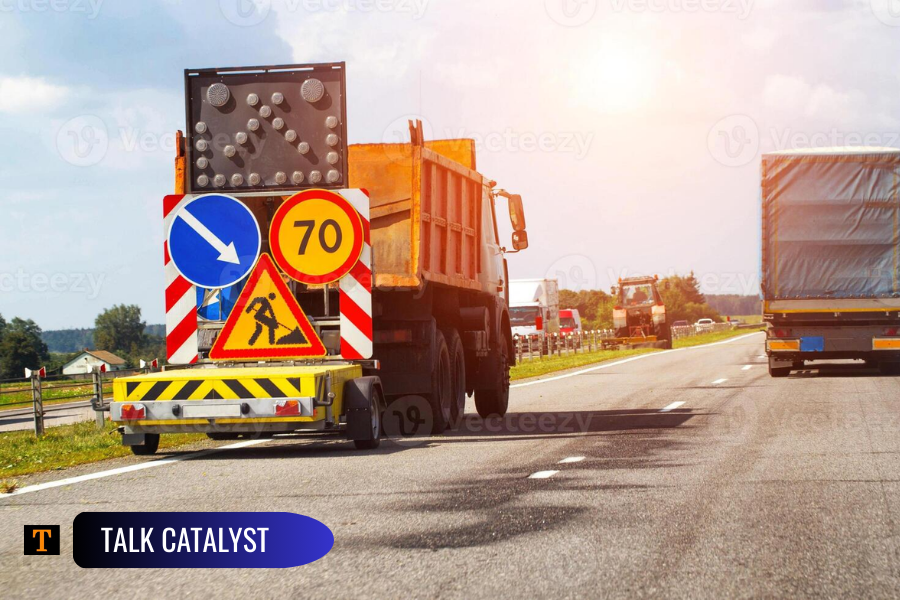
- Single-lane traffic
- Temporary traffic light control
- Speed restrictions
Permanent structural repair work requires coordination with motorway projects and contractors. As a result, full restoration is expected to take considerable time, with projected completion potentially extending into late 2026 or early 2027.
Flooding and Drainage Challenges
Earlier in the year, heavy rainfall caused flooding between Mossland Road and Arkleston Cemetery. Water accumulation damaged the road surface and underlying materials.
Flooding affects roads in several ways:
- Weakens asphalt layers
- Compromises sub-surface structure
- Increases pothole formation
- Creates skid hazards
Local authorities temporarily closed sections of the road while drainage systems were improved and damaged areas resurfaced.
This incident underscored the importance of climate resilience planning in urban infrastructure.
The Combined Impact on Daily Life
When considering the Arkleston Road Renfrew emergency fault situation, it’s essential to look beyond traffic delays.
Effects on Commuters
- Longer travel times during peak hours
- Increased congestion on Renfrew Road and Gallowhill Road
- Stress due to unpredictable journey times
- Adjusted commuting schedules
Effects on Local Businesses
Businesses near the affected section reported:
- Reduced footfall
- Delivery delays
- Access concerns for customers
Facilities such as gyms and service providers had to reassure clients that alternative access routes were available.
Effects on Residents
Residents in surrounding areas experienced:
- Increased traffic through residential streets
- Noise from congestion
- Concerns about pedestrian safety
Repeated closures tested community patience, making transparent communication essential.
How Authorities Managed the Situation
Handling an infrastructure emergency requires coordination between multiple agencies.
Key Stakeholders Involved
- Renfrewshire Council
- Scottish Power
- Transport Scotland
- Amey contractors
- Police Scotland
Each organization played a role in traffic control, engineering inspections, cable replacement, and long-term repair planning.
Effective coordination helped prevent secondary accidents and ensured compliance with safety standards.
Traffic Management Measures
To maintain safety while allowing continued movement, authorities implemented:
- Temporary traffic lights
- Clearly marked diversion routes
- Reduced speed limits
- Controlled pedestrian access
While frustrating for drivers, these measures are necessary to protect both road users and repair crews.
Controlled single-lane systems are often safer than fully reopening compromised infrastructure.
Why Do Infrastructure Faults Keep Occurring?
Several contributing factors explain repeated emergency faults:
1. Aging Infrastructure
Many underground utilities were installed decades ago and require modernization.
2. Increased Traffic Volume
Modern vehicle loads and traffic density are higher than when the road was originally designed.
3. Weather Extremes
Heavier rainfall events increase flooding risk.
4. Accidental Damage
Bridge strikes and construction activity can cause unexpected structural issues.
Proactive inspection programs can reduce risk, but emergency faults cannot always be predicted.
Long-Term Repair Timeline
Permanent bridge repairs cannot begin immediately due to:
- Ongoing motorway projects
- Contractor scheduling constraints
- Event-related roadwork embargo periods
- Structural design approvals
Infrastructure projects often require phased planning, environmental checks, and budget allocation before major works can proceed.
While temporary systems remain in place, authorities emphasize that safety remains the top priority.
Alternative Routes for Drivers
When closures occur, drivers are encouraged to use:
- Renfrew Road (northbound)
- Gallowhill Road (southbound)
Navigation apps such as Google Maps and Waze provide real-time updates. Planning ahead can significantly reduce travel stress.
Lessons Learned From the Disruptions
The Arkleston Road Renfrew emergency fault situation offers broader lessons:
- Infrastructure resilience is critical in urban planning.
- Transparent communication reduces public frustration.
- Alternative route awareness is essential for commuters.
- Preventative maintenance is more cost-effective than reactive repairs.
Communities benefit when authorities provide clear updates and realistic timelines.
Safety Advice for Drivers
If traveling through restricted areas:
- Follow temporary traffic signals carefully
- Observe reduced speed limits
- Avoid distracted driving
- Allow extra time during peak hours
Patience reduces the risk of secondary accidents.
How to Stay Informed
For the latest updates:
- Check Renfrewshire Council announcements
- Monitor local news
- Use live navigation apps
- Follow official social media updates
Staying informed empowers commuters to make safer, smarter travel decisions.
Future Infrastructure Improvements
Authorities are exploring:
- Enhanced drainage systems
- Regular underground cable inspections
- Structural bridge monitoring technology
- Improved signage and warning systems
Investment in preventive maintenance reduces the likelihood of repeated emergency faults.
Frequently Asked Questions
What caused the Arkleston Road Renfrew emergency fault?
The main emergency involved a high-voltage cable failure. Additional disruptions resulted from a bridge strike and flooding.
How long was the road closed?
The cable repair required about 10 days of full closure. Bridge restrictions have lasted much longer under single-lane control.
Are traffic restrictions still in place?
Yes, temporary traffic lights and lane restrictions remain near the bridge section.
When will full repairs be completed?
Permanent bridge repairs are projected for mid-to-late 2026, though timelines may shift depending on motorway projects.
Why wasn’t the repair completed sooner?
Infrastructure repairs must align with contractor availability, safety assessments, and other ongoing motorway works.
Also Read: Riverbank Collapse Iford Playing Fields
Final Thoughts
The situation surrounding the Arkleston Road Renfrew emergency fault reflects the complex reality of managing aging infrastructure within a busy urban transport network. While repeated closures have understandably frustrated commuters and businesses, the response from authorities demonstrates a clear focus on public safety and long-term structural reliability.
Temporary inconvenience is often the price of preventing more serious risks. As repair planning continues and preventive strategies improve, Arkleston Road is expected to regain full functionality.
In the meantime, informed planning, patience, and safe driving will remain essential for everyone using this important Renfrewshire route.
Discover Thoughtful Content and New Ideas on Talk Catalyst!