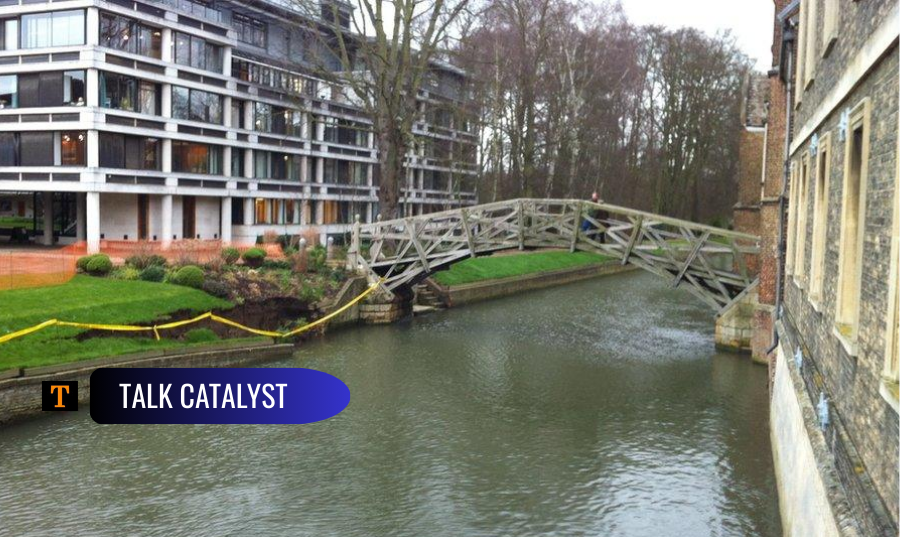
The riverbank collapse at Iford Playing Fields has become a major point of concern for residents, visitors, and local authorities in Bournemouth. What initially appeared as a sudden and alarming event is, in reality, the result of multiple environmental, geological, and human-related factors slowly building over time. The collapse has reshaped part of the riverside landscape, raised questions about public safety, and highlighted the growing challenges of managing riverside recreational spaces in changing climate conditions.
Iford Playing Fields is more than just a patch of green land. It is a vital community space used daily for walking, sports, family activities, and access to the river. When a large section of the riverbank failed and slid into the water, taking soil and mature trees with it, it disrupted not only the physical environment but also public confidence in the safety of the area. Understanding why this happened — and what can be done next — is essential for protecting both people and nature.
This article explores the riverbank collapse Iford Playing Fields in depth, examining the causes, consequences, environmental effects, and realistic long-term solutions, while offering insight into how similar incidents can be managed and prevented in the future.
Understanding Riverbank Collapse at Iford Playing Fields
A riverbank collapse occurs when soil, vegetation, and land at the edge of a river lose structural stability and suddenly give way into the water. Unlike gradual erosion, which happens slowly over months or years, a collapse is often sudden and dramatic. At Iford Playing Fields, the failure was noticeable almost overnight, surprising many regular visitors who had not seen obvious warning signs beforehand.
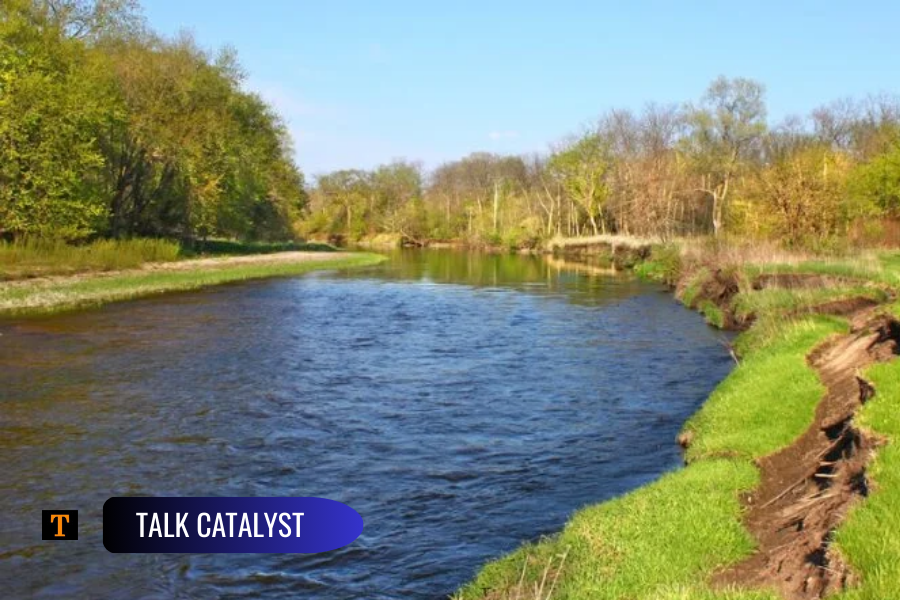
The collapse involved saturated soil, exposed roots, and fallen trees, creating a steep and unstable drop along the river’s edge. This type of failure is particularly dangerous in public spaces, as it can leave hidden voids beneath the surface, making nearby paths and grassy areas unsafe.
River systems are naturally dynamic, constantly reshaping their banks. However, when these natural processes intersect with human use and infrastructure, the consequences become far more serious.
Location and Importance of Iford Playing Fields
Iford Playing Fields is located in the suburb of Iford in Bournemouth, close to the River Stour. The fields serve as a major recreational hub for the local community. They are used for football, rugby, walking, dog exercise, cycling, and informal gatherings, especially during spring and summer.
The river itself adds significant value to the area, offering scenic views and opportunities for swimming, paddleboarding, and wildlife observation. However, this close relationship with the river also exposes the land to erosion, fluctuating water levels, and flooding.
Any instability along the riverbank directly affects how people can safely enjoy the fields. Path closures, fencing, and restricted access can disrupt daily routines and community activities, making the collapse more than just an environmental issue — it is a social one as well.
What Triggered the Riverbank Collapse?
The riverbank collapse Iford Playing Fields was not caused by a single event. Instead, it resulted from a combination of natural and human-related factors that weakened the bank over time.
River Flow and Undercutting
The River Stour continuously flows against the bank, gradually removing soil at its base. This process, known as undercutting, reduces the support holding the upper layers of soil in place. When enough material is removed, the bank becomes unstable and vulnerable to sudden failure.
During periods of faster flow — especially after storms — erosion accelerates. Even when the river appears calm on the surface, powerful currents beneath can continue weakening the bank.
Heavy Rainfall and Soil Saturation
Rainfall plays a major role in riverbank stability. When soil becomes saturated, it gains weight and loses cohesion. Water fills the gaps between soil particles, reducing friction and making the bank more likely to slide.
In the weeks leading up to the collapse, repeated rainfall likely prevented the soil from drying out properly. This prolonged saturation significantly increased the risk of failure, especially when combined with erosion from the river.
Strong Winds and Surface Stress
Strong winds, reported around the time of the incident, may have contributed by stressing already weakened trees and soil. Mature trees near the edge can act like levers when wind pushes against them, increasing pressure on unstable ground.
When roots lose their grip due to erosion or waterlogging, entire sections of the bank can collapse suddenly.
The Role of Soil Composition
The type of soil at Iford Playing Fields is a critical factor. Riverbanks often consist of layered soils, including silt, sand, and clay. Each of these materials reacts in its own way when it comes into contact with water.
- Sandy and silty soils drain quickly but erode easily
- Clay soils retain water, becoming heavy and slippery when saturated
- Layered soils create weak points where collapse is more likely
If softer layers beneath the surface are eroded, the stronger top layers lose support and eventually fail. This hidden process explains why collapses can seem sudden, even though weakening has been happening quietly for years.
Vegetation: Protection and Risk
Vegetation plays a complex role in riverbank stability. On one hand, roots bind soil together, reducing erosion and surface runoff. On the other hand, large trees add significant weight and can increase risk if the ground beneath them becomes unstable.
At Iford Playing Fields, fallen trees were a visible sign of the collapse. When trees fall into the river, they pull surrounding soil with them, exposing more of the bank to erosion and creating a chain reaction.
Grass and shallow-rooted plants alone are rarely sufficient to stabilise riverbanks. A balanced mix of deep-rooted native vegetation is essential for long-term resilience.
Human Activity and Long-Term Impact
Human use of Iford Playing Fields has also contributed, indirectly, to bank vulnerability. Foot traffic near the river compresses soil, reducing its ability to absorb water. Informal paths, cycling routes, and maintenance vehicles can create weak zones that channel runoff toward the riverbank.
Drainage changes elsewhere in the area may also alter how water reaches the river, increasing pressure on certain sections of the bank. While no single activity causes collapse, the cumulative effect over time can significantly increase risk.
Immediate Safety Concerns
The most urgent issue following the collapse was public safety. Unstable edges, hidden voids, and steep drops create serious hazards for walkers, children, and dog walkers. Parts of the area had to be fenced off, and access routes were temporarily restricted.
Such disruptions affect not only safety but also public trust. People expect parks and playing fields to be safe spaces. Sudden collapses highlight the importance of proactive monitoring rather than reactive responses.
Environmental Consequences
The environmental impact of the riverbank collapse Iford Playing Fields is mixed. Soil and debris entering the river increase turbidity, which can affect fish, insects, and aquatic plants. Sedimentation may reduce oxygen levels and disrupt breeding grounds.
However, fallen trees can also create new habitats, providing shelter for fish and slowing water flow in certain areas. If managed carefully, restoration efforts can enhance biodiversity rather than simply repairing damage.
Monitoring and Expert Assessment
After such incidents, environmental engineers and geotechnical specialists assess the site for further risks. This includes checking for cracks, leaning trees, slumping soil, and changes in water flow.
Long-term monitoring is essential. Early warning signs often appear as small surface cracks or minor slumps. Addressing these early is far more effective and less costly than dealing with major collapses.
Community reporting also plays a key role. Regular users of the fields are often the first to notice changes.
Short-Term Protective Measures
In the immediate aftermath, temporary solutions help reduce further damage:
- Safety fencing and warning signage
- Rerouting footpaths away from unstable edges
- Minor slope regrading to reduce stress
- Temporary reinforcement using natural materials
These measures are not permanent solutions but help stabilise the area while long-term plans are developed.
Long-Term Stabilisation Solutions
Long-term protection requires a balanced approach:
Hard Engineering Solutions
These include rock revetments, retaining walls, and sheet piling. They provide strong, immediate support but can look unnatural and disrupt ecosystems if overused.
Nature-Based Solutions
These use vegetation, coir rolls, and terracing to stabilise banks naturally. While slower to establish, they improve biodiversity and blend into the landscape.
Hybrid Approaches
The most effective solutions often combine both methods — reinforcing critical points structurally while restoring surrounding areas with vegetation.
Climate Change and Future Risk
As climate change accelerates, heavy rainfall and extreme weather events are becoming increasingly frequent. Rivers now experience more rapid rises and falls in water levels, placing additional stress on banks.
At Iford Playing Fields, future planning must account for these trends. Designing solutions based on historical conditions alone is no longer sufficient.
Community Involvement and Stewardship
Local communities play an essential role in protecting riverbanks. Reporting early warning signs, respecting closures, and participating in planting or restoration programmes all help reduce future risk.
When people feel ownership of public spaces, long-term protection becomes a shared responsibility rather than a reactive task for authorities alone.
Lessons from Similar UK Incidents
Across the UK, riverbank collapses have become more common due to rainfall patterns, soil conditions, and urban pressure. Successful projects share common features:
- Early monitoring and intervention
- Transparent public communication
- Combining engineering with environmental restoration
- Long-term funding and planning
Applying these lessons at Iford Playing Fields can significantly reduce the chance of repeat incidents.
Frequently Asked Questions
What caused the riverbank collapse at Iford Playing Fields?
A combination of erosion, heavy rainfall, soil saturation, fluctuating river levels, vegetation stress, and human activity.
Is the area safe to visit now?
Only designated areas are safe. Visitors should follow all signage and avoid fenced-off sections.
Can another collapse happen?
Yes, without stabilisation and monitoring, further collapses are possible.
How are riverbanks stabilised?
Through structural reinforcement, vegetation-based solutions, or a hybrid of both.
How can residents help?
By reporting changes, respecting safety measures, and supporting restoration efforts.
Also Read: FitooFitness.in Classes
Conclusion
The riverbank collapse Iford Playing Fields is a powerful reminder that riverside environments are living systems, constantly changing under natural and human pressures. While such events can never be fully eliminated, their impact can be reduced through understanding, planning, and cooperation.
By combining scientific assessment, sustainable engineering, and community involvement, Iford Playing Fields can remain a safe, resilient, and environmentally rich space for future generations. Proactive action today will determine whether this much-loved area thrives or faces repeated disruption in the years ahead.
Discover Thoughtful Content and New Ideas on Talk Catalyst!