In recent years, holistic and non-invasive healthcare approaches have gained widespread recognition, especially among individuals seeking long-term solutions rather than temporary symptom relief. One such approach is chiropractic care, commonly referred to by the Greek-derived term xeiropraktis. Rooted in hands-on healing and focused on spinal and joint health, xeiropraktis represents a growing movement toward natural, evidence-informed musculoskeletal care.
Derived from the Greek words cheir (hand) and praktikos (done by), xeiropraktis literally means “done by hand.” This definition perfectly captures the core philosophy of chiropractic care—manual assessment and treatment designed to restore balance, improve mobility, and support the body’s natural ability to heal itself. As modern lifestyles increasingly contribute to posture-related issues, chronic pain, and reduced mobility, the role of the xeiropraktis has become more relevant than ever.
This in-depth guide explores the principles, practices, benefits, safety, and global relevance of xeiropraktis, offering a clear and practical understanding for anyone considering chiropractic care.
What Is a Xeiropraktis?
A xeiropraktis is a licensed healthcare professional specializing in the diagnosis, treatment, and prevention of neuromuscular and musculoskeletal disorders, particularly those involving the spine. Unlike conventional medical practitioners who often rely on medication or surgery, a xeiropraktis focuses on manual spinal and joint manipulation to improve physical function and reduce pain.
The primary objective of xeiropraktis care is to correct structural imbalances—often referred to as spinal misalignments or joint dysfunctions—that interfere with normal movement and nervous system communication. By restoring proper alignment, a xeiropraktis helps the body function more efficiently, often leading to reduced pain, improved posture, and enhanced overall well-being.
The Philosophy Behind Xeiropraktis Care
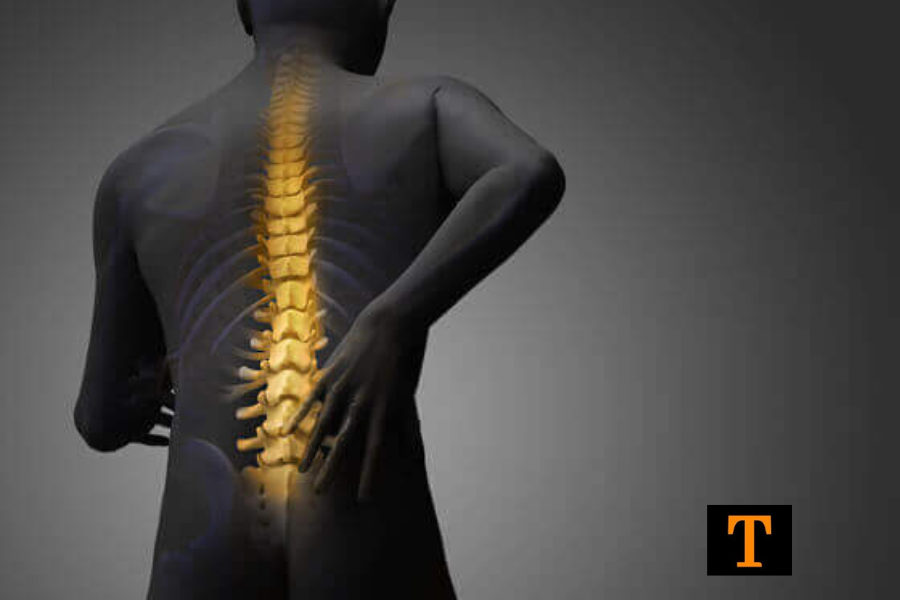
At the heart of xeiropraktis lies the belief that the human body possesses an inherent ability to heal itself when properly aligned and supported. The spine plays a central role in this philosophy because it protects the spinal cord, a vital component of the nervous system that controls movement, sensation, and organ function.
When spinal joints become restricted or misaligned due to injury, poor posture, repetitive stress, or lifestyle factors, nerve signaling may be disrupted. Xeiropraktis care aims to remove these mechanical barriers, allowing the nervous system to operate optimally and enabling natural recovery processes.
This philosophy aligns closely with preventive healthcare, emphasizing early intervention, education, and long-term functional health rather than short-term symptom suppression.
Historical Roots and Global Evolution of Xeiropraktis
While modern chiropractic care was formally developed in the late 19th century by D.D. Palmer, the principles underlying xeiropraktis trace back much further. Ancient Greek medical thinkers, including Hippocrates, emphasized the importance of spinal health in maintaining overall wellness. His writings highlighted manual techniques and spinal observation as key components of medical care.
Palmer’s work in 1895 laid the foundation for modern chiropractic practice by introducing spinal adjustments as a means to restore nervous system function. Over time, these ideas evolved into a regulated healthcare profession practiced worldwide.
Today, xeiropraktis care is well-established in countries such as the United States, Canada, the United Kingdom, Australia, and several European nations. As public awareness of non-invasive therapies continues to grow, chiropractic care has become a respected component of integrative healthcare systems globally.
Education, Training, and Licensing of a Xeiropraktis
Becoming a xeiropraktis requires extensive education and clinical training. The journey typically begins with an undergraduate degree focused on science-related subjects such as biology or kinesiology. This is followed by a four-year Doctor of Chiropractic (D.C.) program from an accredited institution.
The curriculum includes:
Anatomy and physiology
Neurology and biomechanics
Radiology and diagnostic imaging
Orthopedics and pathology
Clinical diagnosis and patient management
Hands-on clinical internships are a core component, allowing future practitioners to develop manual adjustment skills under supervision.
After completing formal education, aspiring xeiropraktis professionals must pass national or regional licensing examinations. Ongoing continuing education is also required to maintain licensure and stay current with research, safety standards, and clinical advancements.
Techniques Commonly Used by a Xeiropraktis
Xeiropraktis care is not limited to a single method. Practitioners use a range of techniques tailored to individual patient needs, age, and health status.
Spinal Manipulative Therapy (SMT)
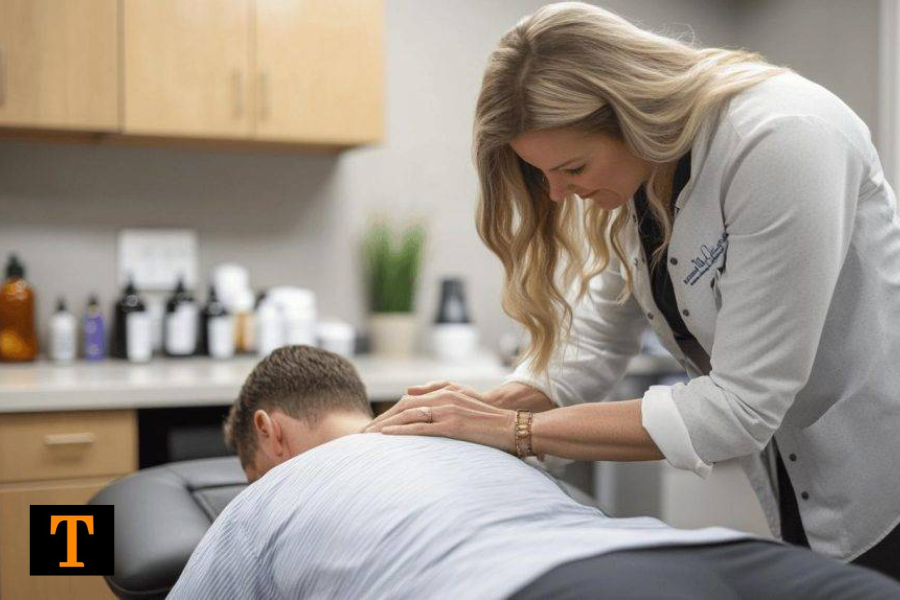
This is the most recognized chiropractic technique, involving controlled, precise thrusts applied to specific joints to restore motion and reduce nerve irritation.
Flexion-Distraction Technique
Often used for disc-related conditions, this gentle method decompresses the spine and reduces pressure on spinal nerves.
Activator Method
A handheld, spring-loaded instrument delivers low-force impulses, making it ideal for patients who require a gentler approach.
Soft Tissue Therapies
Myofascial release, trigger point therapy, and muscle stretching help relieve tension and improve circulation.
Postural and Ergonomic Correction
Many xeiropraktis practitioners incorporate posture analysis, movement education, and ergonomic advice to prevent recurring issues.
Conditions Treated by a Xeiropraktis
Xeiropraktis care addresses a wide range of musculoskeletal and neuromuscular conditions, including:
Lower back pain (acute and chronic)
Neck pain and stiffness
Sciatica and nerve compression
Tension headaches and migraines
Joint pain in shoulders, hips, and knees
Postural disorders, including scoliosis and forward head posture
Sports injuries and repetitive strain injuries
TMJ dysfunction
Mobility limitations in older adults
Athletes often seek xeiropraktis care not only for injury recovery but also for performance optimization and injury prevention.
How Xeiropraktis Supports Natural Healing
Xeiropraktis enhances the body’s natural healing processes by restoring mechanical balance and improving nervous system communication. Proper spinal alignment reduces unnecessary stress on muscles and joints, allowing tissues to heal more efficiently.
Improved joint mobility enhances blood flow, oxygen delivery, and nutrient exchange at the cellular level. As inflammation decreases and movement improves, patients often experience better energy levels, sleep quality, and overall physical resilience.
Equally important is patient education. Xeiropraktis care encourages individuals to understand their bodies, recognize harmful habits, and adopt healthier movement patterns that support long-term wellness.
How Chiropractors Contribute to Preventative Healthcare
In this article, BCA member and chiropractor Marc Sanders explores the important role chiropractors play in preventative healthcare. By identifying potential issues early, delivering hands-on care, and guiding patients on lifestyle and exercise choices, chiropractors help people protect and improve their long-term health.
Understanding Preventative Healthcare
Preventative healthcare focuses on identifying health risks early and taking proactive steps to reduce the likelihood of disease or long-term complications. In chiropractic practice, preventative care plays a central role and aligns closely with the three recognised levels of prevention: primary, secondary, and tertiary.
Primary Prevention
This is the earliest stage of prevention, where action is taken before symptoms or conditions develop. Chiropractors aim to identify individuals who may be at risk of musculoskeletal (MSK) issues and help reduce the likelihood of pain or dysfunction occurring in the first place. This may include postural advice, ergonomic guidance, and movement education.
Secondary Prevention
Secondary prevention focuses on early detection. Chiropractors often screen for spinal conditions, such as scoliosis, before they progress. At this stage, collaboration with other healthcare professionals becomes particularly important. By identifying potential health concerns early, chiropractors can support timely intervention and contribute meaningfully to public health outcomes.
Tertiary Prevention
Once a condition has been diagnosed, tertiary prevention aims to manage it effectively and prevent further deterioration. Chiropractors work closely with patients to manage symptoms, improve function, and monitor progress over time. For some patients, this includes long-term or maintenance care to help maintain mobility and quality of life.
The Chiropractor’s Role in Preventative Care
Chiropractors are sometimes viewed as offering only spinal manipulation or manual therapy. In reality, chiropractic care is far more comprehensive. Each appointment provides an opportunity for education, discussion, and personalised guidance, helping patients better understand their bodies and take an active role in their health.
Beyond hands-on treatment to reduce pain and improve movement, chiropractors deliver a multifaceted approach to care, often referred to as function-promoting therapies. These include:
Nutritional guidance to support overall health, reduce pain, and promote joint health, muscle strength, and bone density
Balance and stability assessments, followed by exercises to reduce fall risk
Neurological and muscle strength evaluations to identify weaknesses or imbalances, alongside tailored exercise programmes
Patient education and motivation, reinforcing positive behaviours and empowering patients through cognitive and behavioural strategies
As Marc Sanders explains:
“While chiropractors are sometimes seen as providing only manual therapy or spinal manipulation, there is much more happening within a chiropractic consultation.”
Addressing a Pessimistic Outlook on Ageing
Research consistently shows that musculoskeletal health tends to decline with age. Many people expect reduced mobility, muscle loss, decreased bone density, and an increased risk of falls as unavoidable parts of ageing. This paints a discouraging picture—one often associated with loss of independence and reduced quality of life.
However, while ageing is inevitable, rapid decline in MSK health is not. Chiropractors play an important role in helping patients understand that there are different possible health trajectories as we age. By shifting the focus toward healthy ageing, chiropractors can help patients make informed choices that protect their strength, balance, and mobility.
This proactive approach supports fall prevention, encourages physical activity, and helps patients remain confident and capable as they get older.
It’s Never Too Late to Improve Musculoskeletal Health
One of the most powerful messages chiropractors share with their patients is that improvement is possible at any age. Common beliefs about what older adults can or cannot do often limit progress more than physical capability itself.
A recent Australian study highlights this clearly. Around 30 adults with an average age of 68—some as old as 79—took part in a 12-week high-intensity strength training programme using kettlebells. All participants were previously insufficiently active, yet every individual showed meaningful improvements.
By the third week, more than half of the group could lift a 68kg kettlebell, and several participants—both men and women—successfully lifted 80kg. One participant with osteoporosis even experienced a significant improvement in bone density.
Other benefits included improved grip strength, cardiovascular fitness, lean muscle mass, leg strength, walking speed, stair-climbing ability, and confidence getting up from the floor.
With the right education, evidence-based guidance, ongoing support, and regular follow-ups, chiropractic care can help patients enhance their musculoskeletal health at any stage of life—and challenge limiting myths about ageing.
What to Expect During Your First Xeiropraktis Visit
An initial visit to a xeiropraktis typically begins with a comprehensive consultation. The practitioner reviews your medical history, lifestyle factors, and specific symptoms. A physical examination follows, focusing on posture, range of motion, spinal alignment, and neurological function.
If necessary, diagnostic imaging such as X-rays may be recommended. Based on the findings, the xeiropraktis develops a personalized treatment plan and explains the expected outcomes.
In many cases, treatment begins during the first visit. Patients may hear a popping sound during adjustments, which is simply the release of gas from joint spaces and is not harmful. Mild soreness afterward is normal and usually temporary.
Benefits of Xeiropraktis Care
Patients often report a wide range of benefits, including:
Reduced pain and stiffness
Improved posture and mobility
Enhanced nervous system function
Greater flexibility and coordination
Reduced reliance on pain medication
Improved quality of life
Unlike approaches that mask symptoms, xeiropraktis aims to address root causes, making it a sustainable option for long-term health.
Xeiropraktis vs Conventional Medical Approaches
Traditional medical treatments often rely on medication or surgical intervention, particularly for pain management. While these approaches are sometimes necessary, they may carry risks such as side effects, dependency, or long recovery periods.
Xeiropraktis offers a conservative alternative, particularly effective for mechanical musculoskeletal conditions. Research suggests that for many cases of lower back and neck pain, chiropractic care is comparable—or superior—to conventional treatments in both effectiveness and cost-efficiency.
Evidence-Based Support for Xeiropraktis
Scientific research continues to support the use of chiropractic care for various conditions. Studies published in peer-reviewed journals have demonstrated the effectiveness of spinal manipulation for back pain, neck pain, and certain types of headaches.
Organizations such as the World Health Organization and the American College of Physicians recognize spinal manipulation as a valid treatment option. Patient satisfaction rates for xeiropraktis care are consistently high, further reinforcing its credibility within modern healthcare.
Safety and Risk Considerations
When performed by a licensed and trained xeiropraktis, chiropractic care is considered safe for the majority of patients. Minor side effects such as temporary soreness are common, while serious complications are extremely rare.
Practitioners modify techniques for vulnerable populations, including children, seniors, and individuals with osteoporosis or specific medical conditions. Clear communication, thorough assessment, and informed consent are central to safe care.
Xeiropraktis in Greece and Worldwide
In Greece, interest in xeiropraktis is steadily growing, particularly in urban centers. Many Greek practitioners receive international training and adhere to European standards. While full integration into public healthcare systems is still developing, awareness and acceptance continue to rise.
Globally, xeiropraktis is well-regulated in many countries and increasingly included in insurance coverage and wellness programs. As preventive healthcare gains momentum, chiropractic care is positioned as a key contributor to future healthcare models.
Conclusion: The Growing Importance of Xeiropraktis
Xeiropraktis represents a powerful blend of ancient wisdom and modern science. By focusing on hands-on care, structural balance, and patient empowerment, it offers a natural and effective pathway to improved mobility, reduced pain, and long-term wellness.
As people seek sustainable alternatives to medication and surgery, the relevance of xeiropraktis continues to expand. With strong educational standards, growing scientific support, and a patient-centered philosophy, chiropractic care stands as a vital pillar in contemporary integrative healthcare.