
The digital world evolves quietly before it changes loudly. Many of today’s most influential online behaviors did not arrive as major announcements—they emerged organically, shaped by users experimenting with new ways to express themselves. Cñims is one such phenomenon. At first glance, it may seem like just another internet trend, but a closer look reveals something deeper: a shift in how people communicate, interpret meaning, and connect in digital spaces.
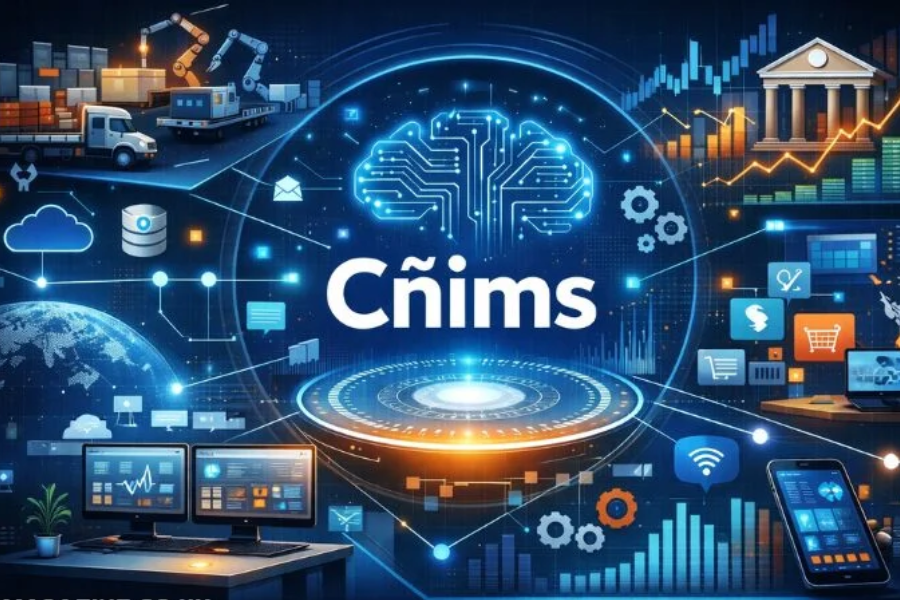
As platforms become faster, audiences more selective, and content more condensed, cñims are becoming an increasingly relevant form of expression. They sit at the intersection of creativity, technology, and culture, influencing everything from casual conversations to brand messaging.
This article explores what cñims truly are, how they evolved, why they matter, and what their future looks like in an increasingly digital world.
Understanding Cñims: More Than a Trend
Cñims are not defined by a single format. Instead, they represent a style of digital expression—short, symbolic, and often layered with meaning. A cñim can be a phrase, a visual cue, a hybrid of text and imagery, or a multimedia snippet that conveys emotion or intent quickly.
What makes cñims unique is their reliance on context and shared understanding. They often communicate more through implication than explanation. Users familiar with the cultural or digital backdrop instantly grasp the message, while outsiders may need time to interpret it.
This quality makes cñims both powerful and elusive. They compress meaning into minimal space, making them ideal for modern digital environments where speed and clarity are valued.
The Cultural Roots of Cñims
The rise of cñims did not happen in isolation. Their roots can be traced back to early internet culture—memes, emojis, shorthand language, and inside jokes shared within online communities. These early forms laid the foundation for expressive minimalism.
As digital platforms matured, so did user behavior. People began favoring:
- Faster interactions
- Visual-first communication
- Emotionally resonant content
- Easily shareable ideas
Cñims grew naturally from this environment. They reflect how people adapt language and symbols to fit digital constraints, turning limitations into creative opportunities.
How Technology Accelerated the Growth of Cñims
Technology played a critical role in turning cñims into a widespread phenomenon. Mobile devices, high-speed internet, and content creation tools lowered the barrier to participation.
Features such as:
- Short-form video
- Stories and disappearing content
- Interactive stickers and text overlays
- AI-assisted editing
allowed users to create expressive content in seconds. Cñims thrived in this ecosystem because they were quick to produce, easy to share, and emotionally engaging.
Platforms like TikTok, Instagram, and X (formerly Twitter) became breeding grounds for cñims, where creativity and virality intersect.
Why Cñims Resonate With Modern Audiences
The appeal of cñims lies in how well they align with modern attention patterns. In a digital environment overloaded with information, people prefer content that delivers meaning instantly.
Cñims succeed because they:
- Reduce cognitive load
- Feel authentic rather than scripted
- Encourage interpretation and participation
- Reflect real-time emotions
Rather than telling audiences what to think, cñims invite them to feel and decode.
This interactive nature makes them memorable and shareable—two traits that define successful digital content.
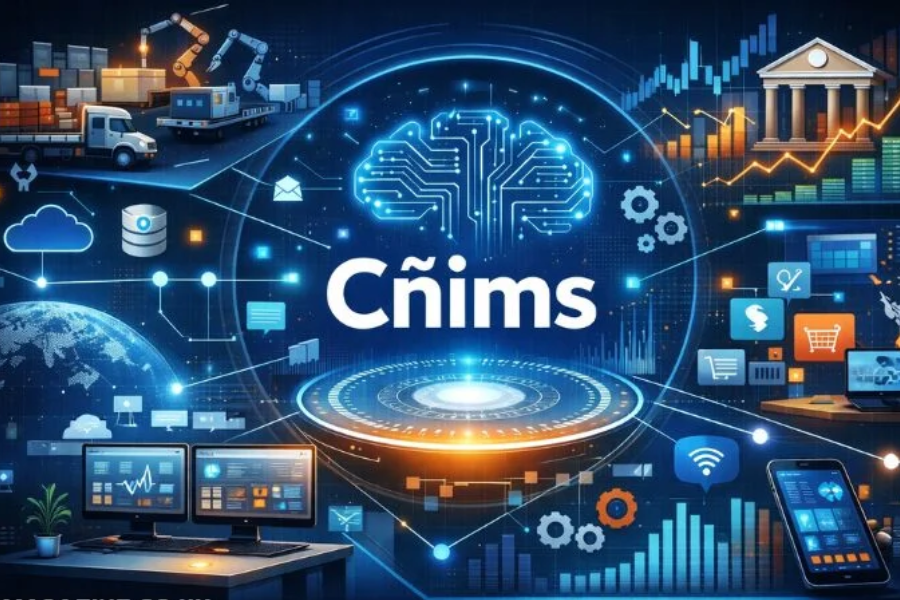
The Role of Cñims in Social Media Communication
Social media thrives on engagement, and cñims are engagement-friendly by design. They spark curiosity, reactions, and conversation.
Users often respond to cñims by:
- Remixing them
- Adding personal context
- Sharing variations
- Creating trends around them
This cycle turns individual expressions into collective experiences. Instead of one-way communication, cñims encourage dialogue and community participation.
They also blur the line between creator and audience, making everyone part of the creative process.
How Brands Are Leveraging Cñims Strategically
Brands have noticed the power of cñims and are increasingly integrating them into digital strategies. Unlike traditional advertising, cñims allow brands to communicate without sounding promotional.
When used effectively, cñims help brands:
- Appear culturally aware
- Humanize their messaging
- Increase shareability
- Build emotional connections
Influencer partnerships often amplify this effect. Influencers naturally incorporate cñims into their content, making branded messages feel organic rather than forced.
However, brands that misuse cñims—without understanding context—risk appearing out of touch. Authenticity remains the deciding factor.
Cñims as a Tool for Storytelling
Beyond marketing, cñims are becoming a powerful storytelling mechanism. They allow creators to convey narratives in fragments rather than full arcs.
This fragmented storytelling:
- Mirrors how people consume content
- Encourages audience imagination
- Creates emotional resonance quickly
A single cñim can represent a moment, mood, or experience without explicit explanation. This subtlety makes it effective across cultures and languages, where visuals and symbols often communicate more universally than words.
Ethical Questions Surrounding Cñims
As cñims grow in popularity, ethical concerns naturally arise. One of the most debated issues is originality. Because trends spread rapidly, it becomes difficult to distinguish between inspiration and imitation.
Another concern is misinformation. Cñims, by nature, simplify ideas. When complex topics are reduced too much, nuance can be lost, leading to misunderstanding.
There is also the question of inclusivity. While many users embrace cñims, others may feel excluded due to cultural, linguistic, or generational gaps. Responsible creators must be mindful of accessibility and clarity.
Cñims and Digital Identity
Cñims are increasingly tied to personal identity. The way people use them reflects personality, values, and community belonging.
For many users, cñims serve as:
- Emotional shorthand
- Social signals
- Creative signatures
They allow individuals to express themselves without oversharing, offering a balance between visibility and privacy. This makes cñims particularly appealing in an era where digital fatigue and oversaturation are common.
The Influence of Artificial Intelligence on Cñims
Artificial intelligence is beginning to influence how cñims are created and distributed. AI tools can now:
- Suggest captions
- Generate visuals
- Analyze engagement patterns
- Personalize content delivery
While this increases efficiency, it also raises questions about authenticity. The future of cñims may depend on how creators balance AI assistance with human creativity.
Used thoughtfully, AI can enhance expression without replacing originality.
The Future of Cñims in an Expanding Digital Landscape
Cñims are unlikely to fade anytime soon. Instead, they are expected to evolve alongside technology.
Future developments may include:
- Augmented reality cñims
- Interactive, immersive formats
- Hyper-personalized expressions
- Cross-platform standardization
As digital communication becomes more experiential, cñims will likely play a central role in shaping how people interact online.

Why Understanding Cñims Matters
Ignoring cñims means overlooking a fundamental shift in communication. They reveal how people adapt language, emotion, and creativity to digital environments.
For businesses, creators, educators, and platforms, understanding cñims is essential for relevance. They are not just trends—they are indicators of where digital culture is heading.
CÑIMS: Origins, Evolution, and the Future of Intelligent Management Systems
In a world driven by speed, data, and constant digital transformation, organizations can no longer rely on outdated management tools. Fragmented systems, manual processes, and poor visibility slow down growth and increase operational risk. This growing pressure for efficiency gave rise to a smarter, more adaptive solution known as cñims.
Cñims is not just another management platform. It represents a shift in how organizations think about structure, automation, and decision-making. By combining centralized control, intelligent workflows, and data-driven insights, cñims has evolved into a modern digital backbone for businesses and institutions alike.
This article explores the origins, evolution, features, benefits, challenges, and real-world applications of cñims, while also looking ahead to its future role in intelligent operations.
The Origins and Evolution of CÑIMS
The concept of cñims emerged from a common frustration shared across industries. Traditional management systems were rigid, slow to update, and heavily dependent on manual input. As businesses expanded and remote work became more common, these systems struggled to keep pace.
Early management platforms focused mainly on basic data storage and record keeping. While useful at the time, they lacked flexibility and offered little insight beyond static reports. Teams were forced to jump between multiple tools, leading to data duplication, communication gaps, and inefficiency.
Cñims was developed to solve these problems at their core.
Early Development Phase
In its earliest form, cñims functioned as a centralized information management system. Its primary goal was to store data securely and make it easily accessible. Even at this stage, the emphasis was on simplicity, usability, and structured workflows.
Technological Expansion
As cloud computing matured, cñims evolved rapidly. Cloud integration allowed real-time access, scalability, and secure data synchronization across devices. Automation features were introduced to reduce repetitive manual tasks, while analytics tools began transforming raw data into actionable insights.
Modern CÑIMS Ecosystem
Today, cñims stands as a full-scale management ecosystem. With artificial intelligence, machine learning, mobile accessibility, and advanced security protocols, it goes far beyond traditional management software. It supports strategic planning, operational efficiency, and intelligent decision-making in a single connected environment.

Core Features That Make CÑIMS Powerful
What truly sets cñims apart is not just what it does, but how seamlessly everything works together. Its features are designed to reduce friction, increase clarity, and empower users at every level.
Centralized Dashboard
At the heart of cñims lies a unified dashboard. Instead of juggling multiple platforms, users can view tasks, reports, schedules, performance metrics, and notifications from one clean interface. This centralization reduces confusion and saves significant time.
Intelligent Automation
Automation is one of the strongest pillars of cñims. Routine activities such as data entry, approvals, reminders, and progress tracking are handled automatically. This minimizes errors and allows teams to focus on higher-value tasks like strategy, innovation, and collaboration.
Advanced Analytics and Insights
Cñims converts complex data into clear visual reports and dashboards. Users can identify trends, monitor performance, forecast outcomes, and make informed decisions with confidence. These insights help organizations move from reactive management to proactive planning.
Scalable and Flexible Architecture
Whether used by a small team or a large enterprise, cñims scales effortlessly. Its modular structure allows organizations to customize workflows, permissions, and features based on their specific needs.
How CÑIMS Works Behind the Scenes
Understanding how cñims operates helps explain why it is so effective.
Cloud-Based Infrastructure
Cñims operates on a secure cloud-based architecture. This ensures accessibility from any location while maintaining consistent performance across teams and devices.
Smart Workflow Engine
The system uses intelligent workflows to guide tasks from initiation to completion. When a project starts, cñims automatically assigns roles, sets deadlines, tracks progress, and sends notifications. This reduces bottlenecks and keeps everyone aligned.
Seamless Integrations
Cñims integrates smoothly with commonly used tools such as email platforms, calendars, accounting software, CRM systems, and communication apps. These integrations prevent data silos and eliminate the need for repetitive data entry.
The Biggest Benefits of Using CÑIMS
Organizations adopt cñims not just for convenience, but for measurable impact.
Significant Time Savings
By automating repetitive tasks and streamlining workflows, cñims drastically reduces time spent on administrative work. Teams complete projects faster with fewer interruptions.
Improved Organization and Clarity
Every file, task, report, and conversation within cñims follows a structured system. Information is easy to locate, track, and update, reducing frustration and miscommunication.
Increased Productivity and Collaboration
Cñims enhances collaboration by keeping everyone informed and aligned. Managers gain better visibility, teams work more efficiently, and individuals stay focused on priorities.
Better Decision-Making
With real-time analytics and accurate data, leaders can make informed decisions rather than relying on guesswork or outdated reports.
Real-World Use Cases of CÑIMS
Cñims is highly adaptable and serves a wide range of industries.
Business and Enterprise Operations
Businesses use cñims for project management, customer relationship tracking, inventory control, financial reporting, and performance monitoring. It provides a clear overview of daily operations and long-term objectives.

Education and Academic Institutions
Schools and universities rely on cñims to manage student records, academic schedules, faculty coordination, and performance analytics. This improves transparency while reducing administrative burden.
Healthcare and Medical Organizations
In healthcare, cñims plays a critical role in managing patient records, appointments, treatment workflows, compliance requirements, and reporting. Accuracy and security are prioritized, improving both efficiency and patient care quality.
Government and Public Sector
Public institutions use cñims to track programs, manage resources, monitor compliance, and enhance accountability through structured data management.
Challenges and Limitations of CÑIMS
Despite its strengths, cñims is not without challenges.
Learning Curve for New Users
Due to its comprehensive feature set, new users may require training to fully utilize cñims. Proper onboarding and documentation are essential for success.
Customization Complexity
Cñims offers high flexibility, but incorrect configuration can limit its effectiveness. Organizations must invest time in planning workflows and permissions carefully.
Internet Dependency
As a cloud-based system, cñims relies on stable internet connectivity. In regions with limited access, performance may occasionally be affected.
Security, Compliance, and Trustworthiness
Trust is a core pillar of cñims.
Modern implementations prioritize data encryption, access control, audit logs, and compliance standards. Role-based permissions ensure that sensitive information is accessible only to authorized users. Regular updates and security monitoring help protect against emerging threats.
The Future of CÑIMS
The future of cñims is closely tied to advancements in artificial intelligence and predictive analytics.
Upcoming developments are expected to include:
- AI-driven decision recommendations
- Predictive performance modeling
- Deeper automation using machine learning
- Enhanced mobile and voice-based interfaces
As organizations continue to embrace digital transformation, cñims will likely evolve from a management system into an intelligent operational partner.
Also Read: Ểmgency
Final Thoughts on Cñims
Cñims represent a quiet but powerful transformation in digital expression. They compress meaning, encourage participation, and reflect the emotional rhythm of online life.
While challenges related to ethics, inclusivity, and misuse exist, the overall impact of cñims is undeniable. They have changed how people communicate, connect, and create in the digital world.
As technology continues to evolve, so will cñims—adapting, expanding, and redefining the language of the internet.
For those willing to understand and use them thoughtfully, cñims offer a glimpse into the future of digital communication—one that is faster, more expressive, and deeply human.
Explore Freely. Learn Daily. Talk Catalyst.