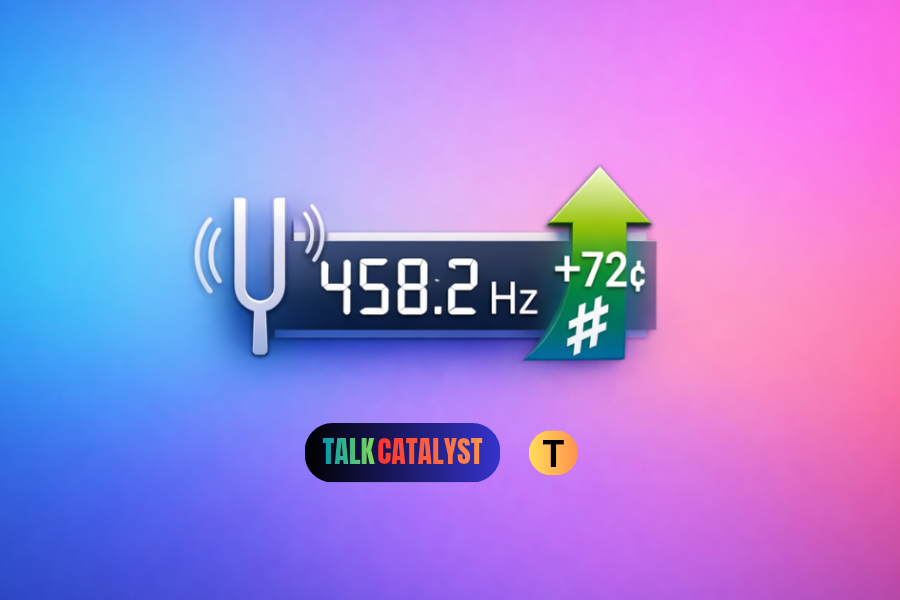
The phrase 458.2 Hz phase alternating line increased pitch audio cents may sound highly technical, but it describes a simple concept in audio perception.
In essence, it refers to an audio signal tuned slightly above the standard concert pitch of 440 Hz, combined with phase alternation techniques that can subtly influence how listeners perceive the sound’s brightness and spatial character.
A tuning reference of 458.2 Hz represents a noticeable increase in pitch—about 70 cents sharper than 440 Hz. When this higher pitch interacts with waveform phase manipulation, the result can be a sound that feels tighter, brighter, and sometimes more energetic.
But why does such a small change in frequency create such a noticeable effect?
To answer that, we need to explore pitch standards, audio cents, and how phase relationships influence perception.
Understanding 458.2 Hz in Context
Before examining why 458.2 Hz matters, we need to understand the foundation of modern tuning systems.
The 440 Hz Standard
Most contemporary music uses A4 = 440 Hz as the reference pitch. This value became widely adopted during the 20th century and was later formalized through International Organization for Standardization standard ISO 16.
This reference ensures that instruments across orchestras, studios, and recording sessions stay perfectly aligned.
However, tuning does not have to remain fixed at 440 Hz. Small variations can significantly change the emotional tone of music.
How Much Higher Is 458.2 Hz?
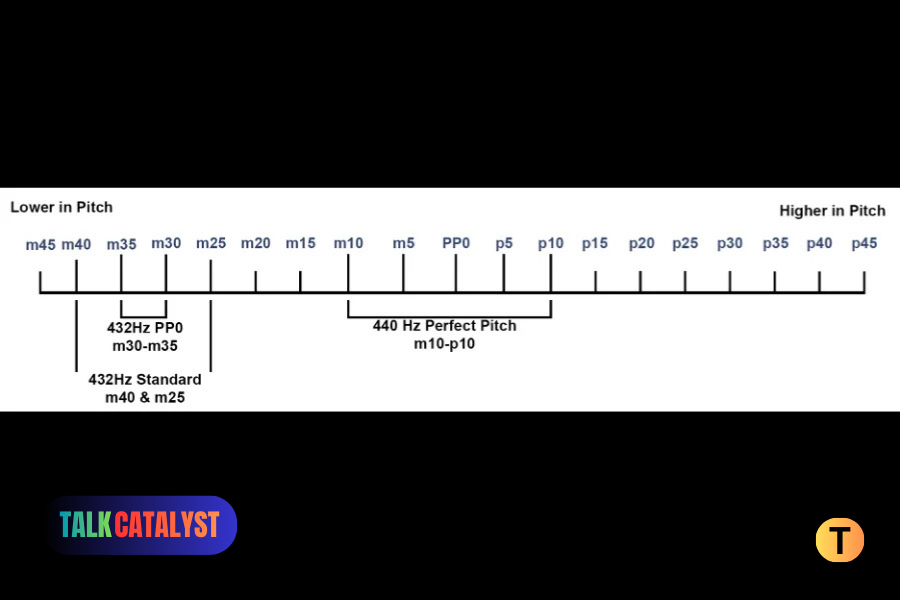
Pitch differences are often measured using cents, a unit designed for extremely precise comparisons between frequencies.
In musical theory:
- 100 cents = one semitone
- 1200 cents = one octave
The formula used to calculate pitch difference is:
Cents = 1200 × log₂(f₂ / f₁)
Where:
- f₁ = original frequency
- f₂ = new frequency
Applying the formula:
- f₁ = 440 Hz
- f₂ = 458.2 Hz
The difference is approximately +70 cents.
That means 458.2 Hz sits nearly three-quarters of a semitone above standard tuning.
This shift is clearly audible. It does not sound completely out of tune, but it introduces a noticeable lift in tonal brightness.
What Does “Phase Alternating Line” Mean?
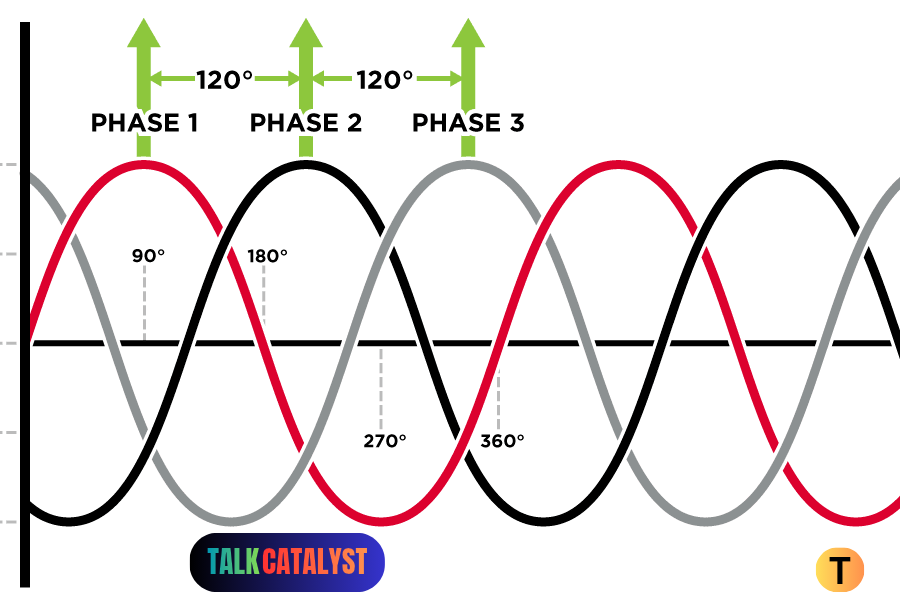
The second part of the phrase—phase alternating line—relates to waveform alignment rather than pitch itself.
Understanding Audio Phase
In sound waves, phase describes the starting point of a waveform within its cycle.
Two identical signals can be:
- In phase – peaks and troughs align perfectly
- Out of phase – one waveform is inverted relative to the other
Phase manipulation can create several perceptual effects:
- Wider stereo imaging
- Subtle tonal changes
- Interference or cancellation effects
- Spatial movement in multi-channel audio
Importantly, phase does not change pitch. Frequency determines pitch, while phase affects how waveforms interact when played together.
Why Combine 458.2 Hz With Phase Alternation?
When pitch shifts upward by around 70 cents, the sound already becomes brighter and more energetic.
Adding phase alternation can enhance this effect by modifying spatial perception.
This combination may create:
- Greater stereo width
- Enhanced harmonic complexity
- A perception of increased clarity or brightness
In other words, the listener experiences not just a higher pitch but also a slightly different spatial character.
Why Pitch Differences in Cents Matter
Even small pitch changes can influence the emotional quality of sound.
Higher tuning levels often produce:
- Greater perceived energy
- Brighter tonal color
- Increased tension or urgency
Many orchestras actually tune slightly above standard pitch—often 442 Hz—because it creates a more vibrant sound.
However, 458.2 Hz is far beyond typical orchestral variation, making the shift more noticeable.
When listeners hear a familiar melody tuned this high, the emotional tone often feels tighter and more intense.
What Does a 70-Cent Difference Feel Like?
To better understand this shift, consider typical pitch differences:
| Pitch Difference | Perception |
|---|---|
| 5 cents | Barely noticeable |
| 25 cents | Subtle change |
| 50 cents | Clearly noticeable |
| 70 cents | Strong tonal shift |
| 100 cents | Full semitone |
At 70 cents, the sound sits in an interesting middle ground. It is clearly sharper than expected, but it does not reach the next musical note.
This “in-between” state can create psychological tension in listeners.
Frequency Comparison Table
| Reference Pitch | Frequency | Difference from 440 Hz | Perceived Effect |
|---|---|---|---|
| Standard Concert Pitch | 440 Hz | 0 cents | Neutral reference |
| Orchestral Bright Tuning | 442 Hz | +8 cents | Slight brilliance |
| Elevated Experimental Tuning | 450 Hz | +39 cents | Noticeable sharpness |
| 458.2 Hz | +70 cents | Strong brightness | |
| One Semitone Higher | 466.16 Hz | +100 cents | Distinct pitch change |
This comparison shows how 458.2 Hz sits between subtle adjustment and full note change, creating a distinctive sonic character.
Technical Perspective: What Happens Digitally?
When pitch increases digitally, several things occur simultaneously:
- Wave cycles occur more frequently per second
- Harmonic overtones shift upward
- Instrument timbre may change
- Formants can move unless corrected
Phase alternation introduces additional effects:
- Wave polarity inversion
- Interference between channels
- Expanded stereo imaging
When combined, these changes can produce a sound that is both higher in pitch and spatially wider.
The Human Perception Factor
Human hearing is extremely sensitive to patterns.
Because most listeners grew up hearing music tuned to 440 Hz, even small deviations can trigger emotional responses.
Higher pitch often increases perceived intensity:
- Vocals may sound more urgent
- Percussion can feel sharper
- Musical tension rises
However, prolonged exposure to elevated tuning can also lead to listener fatigue, as the ear constantly processes heightened frequencies.
Practical Applications of 458.2 Hz Phase Alternating Line Increased Pitch Audio Cents
Although not part of standard musical tuning, this concept may appear in several specialized fields.
Experimental Music Production
Some producers explore microtonal tuning to create unique sonic identities.
Sound Design
Higher tuning can introduce tension in cinematic soundscapes.
Psychoacoustic Research
Researchers study how small frequency shifts affect perception.
Audio Branding
Slightly altered tuning can make sounds feel distinctive compared to common references.
Even small pitch changes can reshape how audiences emotionally interpret sound.
Understanding Frequency and Pitch in Audio
To understand the concept fully, we first need to examine the relationship between frequency and pitch.
Frequency is measured in Hertz (Hz), which indicates how many times a sound wave vibrates in one second. Higher frequencies produce higher perceived pitch, while lower frequencies produce deeper tones.
For example:
- 220 Hz produces a lower musical tone
- 440 Hz produces a higher tone known as A4, the standard tuning reference
- Frequencies above 440 Hz sound progressively sharper
The global reference pitch of A4 = 440 Hz was standardized by the International Organization for Standardization under the ISO 16 standard. This tuning reference ensures consistency across orchestras, recording studios, and musical instruments worldwide.
When the frequency shifts above this reference—such as 458.2 Hz—the pitch rises accordingly.
This is the first step in understanding 458.2 hz phase alternating line increased pitch audio cents.
What Does 458.2 Hz Represent?
The number 458.2 Hz represents a frequency that is noticeably higher than the standard 440 Hz reference tone.
Although the difference appears small numerically, the human ear is sensitive to even slight pitch variations. A shift from 440 Hz to 458.2 Hz produces a sound that feels brighter, sharper, and slightly more tense.
In practical listening conditions, this higher frequency can make vocals sound thinner and instruments slightly more energetic. While casual listeners might not immediately identify the exact frequency change, many people notice that the sound feels different from typical recordings.
To measure this difference accurately, audio engineers use a unit called cents.
What Are Audio Cents?
In music theory and sound engineering, cents are used to measure very small pitch differences between frequencies.
A cent is a logarithmic unit that divides musical intervals into smaller steps.
The system works as follows:
- 100 cents = one semitone
- 1200 cents = one octave
This measurement system allows musicians and engineers to describe extremely small pitch adjustments that would otherwise be difficult to express.
For example, when tuning a guitar or piano, slight adjustments are often measured in cents rather than full notes.
When comparing 440 Hz and 458.2 Hz, the pitch difference equals approximately 70 to 71 cents. This means the frequency is nearly three-quarters of a semitone sharper than standard concert pitch.
That difference is significant enough for most trained listeners to detect easily.
Why the Phrase Includes “Phase Alternating Line”
The next part of the phrase—phase alternating line—relates to how audio signals behave during transmission or processing.
In audio science, phase describes the position of a waveform within its cycle at a given moment. Two identical sound waves can interact differently depending on whether their peaks and troughs align.
When two waves are perfectly aligned, they are said to be in phase. When one wave is inverted relative to another, they are out of phase.
Phase differences can influence several aspects of sound reproduction, including:
- Stereo imaging
- Signal clarity
- Interference patterns
- Perceived spatial positioning
A phase alternating line refers to a situation where the phase of a signal alternates or flips periodically. This behavior was historically associated with analog television transmission systems and some audio processing methods.
While phase changes do not directly alter pitch, they can affect how sound waves interact and how listeners perceive tonal balance and spatial width.
How Pitch Increase Happens in Audio Systems
The pitch increase associated with 458.2 hz phase alternating line increased pitch audio cents can occur through several mechanisms.
Playback Speed Changes
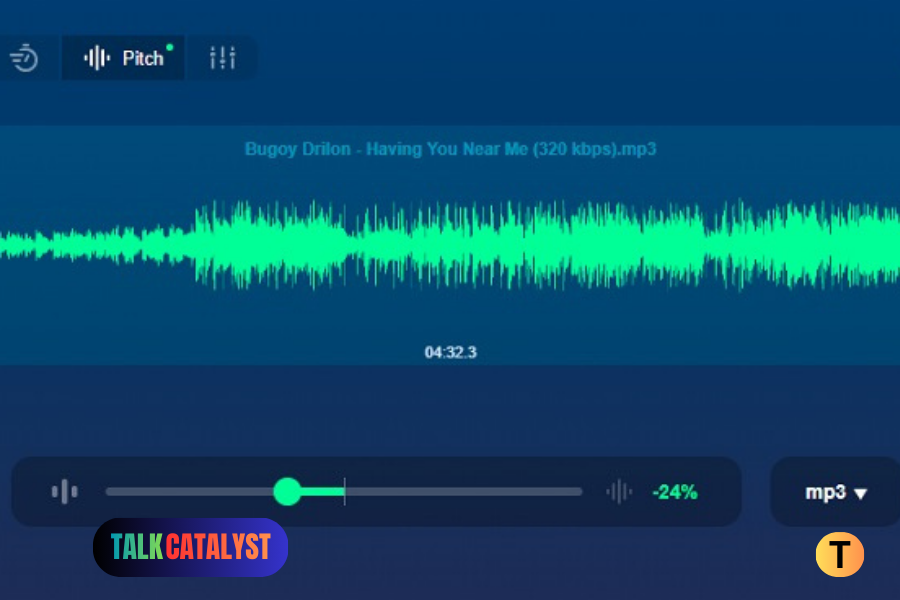
One of the most common reasons for pitch increase is playback speed variation. If audio plays faster than intended, the frequency rises proportionally.
This effect is similar to playing a vinyl record at the wrong speed. When the record spins faster, the music becomes higher in pitch.
Sample Rate Mismatch
In digital audio production, files are recorded using specific sample rates, such as 44.1 kHz or 48 kHz.
If an audio file recorded at one sample rate is played back at another without proper conversion, the playback speed changes. This automatically raises the pitch.
For example, a file recorded at 44.1 kHz but played at 48 kHz will sound noticeably sharper.
Signal Processing
Some digital audio effects manipulate time, phase, or frequency relationships to create stereo width or spatial enhancement. While these tools do not normally change pitch intentionally, incorrect settings or processing artifacts can produce slight pitch variations.
Historical Broadcast Standards
In earlier analog broadcasting systems, certain technical standards sometimes required adjustments to playback speed. These adjustments occasionally resulted in small pitch increases similar to the shift measured around 458.2 Hz.
Calculating Pitch Difference in Cents
Audio engineers calculate pitch differences using a logarithmic formula:
Cents = 1200 × log₂ (f₂ / f₁)
Where:
- f₁ represents the original frequency
- f₂ represents the new frequency
When we substitute the values:
- f₁ = 440 Hz
- f₂ = 458.2 Hz
The calculation results in approximately 70 cents.
This value confirms that the pitch increase described in 458.2 hz phase alternating line increased pitch audio cents is substantial enough to be clearly noticeable.
How Higher Pitch Affects Sound Perception
Pitch increases do more than simply raise the frequency of a note. They also influence how listeners emotionally interpret sound.
Higher tuning often creates the following effects:
- Increased brightness
- Greater perceived energy
- Higher tension in music
- Sharper vocal tones
Because of these qualities, some orchestras tune slightly above standard pitch. Frequencies such as 442 Hz or 444 Hz are sometimes used to create a brighter tonal character in performances.
However, 458.2 Hz represents a much larger increase and can significantly change the overall sound character of a recording.
Psychological and Perceptual Effects
Human hearing is highly sensitive to pitch relationships. Our brains naturally compare incoming sounds with familiar tonal references.
If a recording is shifted approximately 70 cents higher, listeners may perceive the audio as:
- Slightly rushed
- Emotionally tense
- More energetic
- Somewhat unnatural compared to typical recordings
Musicians often notice these differences immediately because their ears are trained to detect pitch accuracy.
Interestingly, listeners who grow accustomed to a particular pitch standard may eventually perceive it as normal, even if it differs from the official reference.
Practical Examples in Audio Production
In real-world audio production environments, pitch increases similar to 458.2 hz phase alternating line increased pitch audio cents can occur unintentionally.
For instance, a music producer might import an audio file into a digital audio workstation using incorrect project settings. If the software interprets the file at a higher sample rate, the entire recording plays faster and sharper.
Another scenario involves archival recordings that were transferred between analog and digital systems. Timing differences in playback equipment can produce slight pitch shifts over long recordings.
Audio engineers must therefore verify sample rate settings and synchronization parameters carefully to maintain accurate pitch.
Can Listeners Detect a 70-Cent Pitch Change?
Research in psychoacoustics shows that the average listener can detect pitch changes as small as 20 to 25 cents under ideal conditions.
Musicians and trained audio professionals can often detect differences as small as 5 to 10 cents.
A shift of 70 cents is therefore clearly audible for most people, especially when compared directly to correctly tuned music.
Correcting Pitch Shift in Modern Audio Tools
Modern audio software provides several tools to correct pitch increases.
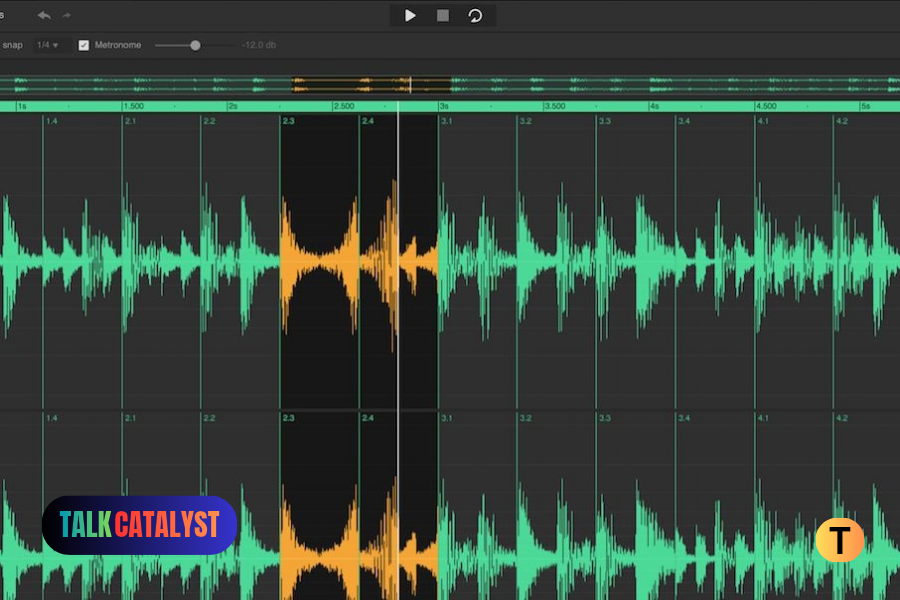
Digital audio workstations allow engineers to adjust pitch independently from playback speed using time-stretching algorithms.
Other tools allow users to resample audio files correctly so that the playback rate matches the original recording conditions.
Common correction methods include:
- Pitch shifting tools
- Time-stretch algorithms
- Sample rate conversion
- Audio restoration processing
These technologies make it relatively easy to restore recordings that have experienced unintended pitch increases.
Creative Uses of Pitch Adjustment
Although pitch shifts are often considered technical errors, they can also be used creatively.
Music producers sometimes raise pitch slightly to add brightness or energy to a track. Even a small increase of 10 to 20 cents can make a vocal performance stand out in a mix.
In cinematic sound design, higher pitch can also create psychological tension or urgency.
However, increases as large as 70 cents are rarely used intentionally unless a very specific artistic effect is desired.
Key Takeaways
The concept behind 458.2 hz phase alternating line increased pitch audio cents becomes much clearer once its components are examined individually.
The phrase essentially describes:
- A frequency shift from the standard 440 Hz reference
- A resulting pitch increase of roughly 70 cents
- Possible involvement of phase behavior or signal processing
- Noticeable changes in how audio is perceived
Although the terminology sounds complex, the underlying principle is simply that higher frequency produces higher pitch.
Also Read More: AI Regulation News Today
Final Thoughts
Audio engineering often involves subtle details that significantly influence how we experience sound. Even small changes in frequency can alter the emotional character of music, dialogue, or environmental audio.
The idea behind 458.2 hz phase alternating line increased pitch audio cents illustrates how a relatively small numerical difference can transform the way audio feels to listeners.
By understanding frequency, phase behavior, and pitch measurement in cents, we gain deeper insight into how modern audio systems work.
Whether you are a musician, audio engineer, or simply curious about sound technology, recognizing these principles can help you appreciate the intricate science behind everyday listening experiences.